

Jerusalem Post
ByTAL HADAR BITAN, A CLINICAL DIETITIAN
They’re less popular and don’t photograph very well – but they are the healthiest foods around – and you hardly eat them.
In an era when supermarket shelves feel like a colorful competition of snacks, treats, and processed foods, there are quite a few simple, accessible, and inexpensive foods that are in fact nutritional “powerhouses” – but for some reason, most people hardly eat them. Sometimes it’s due to lack of awareness, sometimes because they’re less “Instagrammable,” and sometimes because we’ve simply forgotten the good things that traditional cuisine has to offer.
Here are 7 foods it’s time to bring back to the center of the plate. Your body will thank you.
1. Sardines
They may not win any beauty contests, but sardines are one of the most cost-effective foods for the body. In a small, inexpensive can lies a huge amount of omega 3 (DHA and EPA, which are essential for the brain, blood vessels, and heart), high-quality protein, and a nice amount of vitamin D. The big bonus: Because they are eaten with their bones, they are an excellent source of bioavailable calcium.
Inside the Detroit Palestine conference: From activism to extremism
2. Whole tahini
Many people eat tahini, but miss the small upgrade that makes a huge difference. Tahini made from whole sesame seeds – its color may be off-putting at first, but the flavor is nuttier and deeper. It contains many times more calcium, iron, and dietary fiber. An excellent source of quality fats and contributes to long-lasting satiety. One teaspoon of whole tahini a day will be a real health upgrade.
3. Black lentils (Beluga)
The most neglected legume – and that’s a shame. Unlike other lentils that require long soaking or fall apart during cooking, black lentils keep their shape, cook faster, and have a low glycemic value – which means they don’t cause sharp spikes in blood sugar and keep us full for a long time. Black lentils are particularly rich in iron and magnesium, and are a good source of plant-based protein for vegetarians among us.
4. Cauliflower
Cauliflower looks innocent, but in fact it is a magnificent nutritional entity: Rich in vitamin C, fiber, and antioxidants that help protect against disease. It’s low in carbohydrates and can replace a heavy side dish, providing a feeling of fullness on the plate without the heaviness after the meal.
How do you incorporate it? Try making “cauliflower rice” (coarsely grinding it in a food processor and sautéing in a pan with herbs) or simply roasting it in the oven with olive oil until golden and crispy.
5. Green buckwheat
Buckwheat is considered controversial, but it’s important to know that green buckwheat is much milder than brown, roasted buckwheat. It is rich in magnesium and dietary fiber, and is an excellent source of complex carbohydrates that break down slowly in the body.
How do you incorporate it? It can replace rice, become a base for a homemade tortilla (just soak and blend with water), or be incorporated into warm salads.
6. Seaweed
Asian cuisine discovered long ago what we’re missing. Seaweed is an excellent source of iodine, a mineral essential for proper thyroid function (which affects our metabolism). It is rich in minerals and adds a wonderful “umami” flavor with almost no caloric value.
A 5-minute meal tip: Instead of using bread or a tortilla, take a nori sheet and roll inside it an omelet, cheese, avocado, and vegetables of your choice. You’ll get a filling “sushi sandwich,” rich in protein and healthy fat. A perfect solution for a light dinner or an indulgent breakfast.
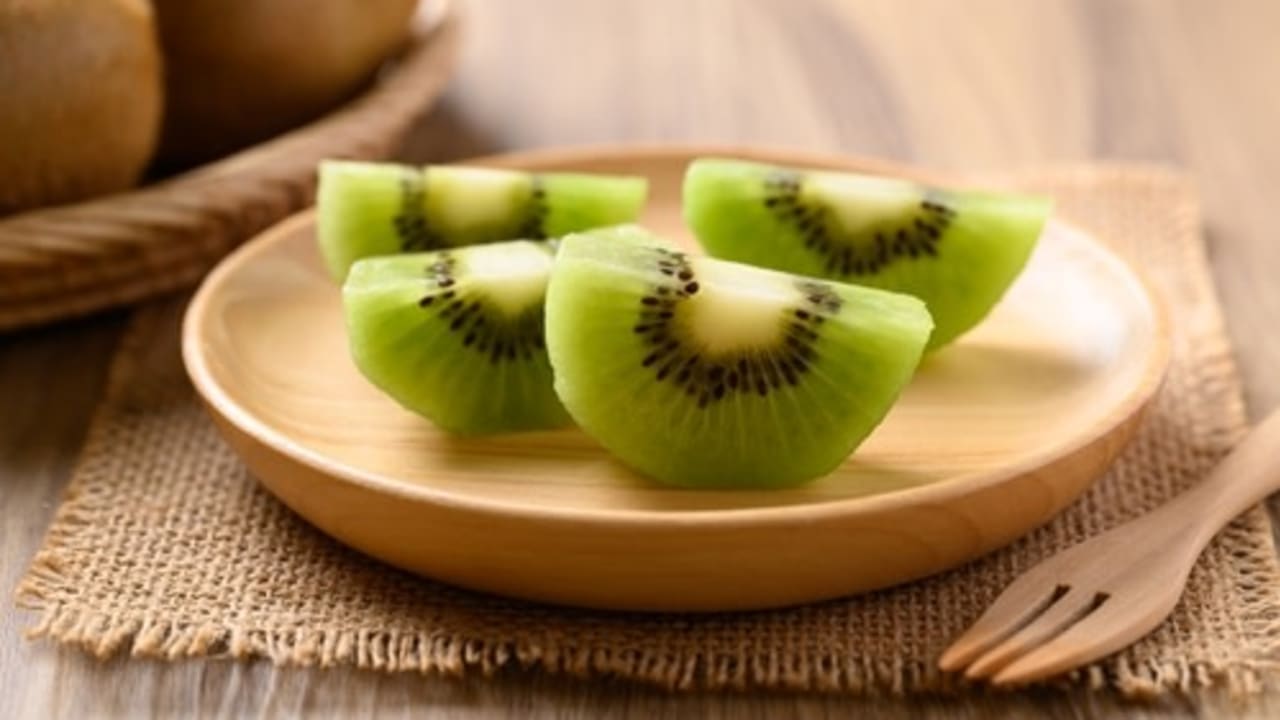
7. Kiwi
We all grew up on the myth of dried plums for digestion, but they come with a “load” of concentrated sugar. Kiwi is the perfect substitute: It contains a unique enzyme (actinidin) and dietary fiber that help support proper bowel function, all with a low glycemic index and plenty of vitamin C.
Advanced tip: Wash the kiwi thoroughly until the texture smooths out and eat it with the peel. Yes, you heard right. The peel contains a huge concentration of antioxidants and fiber that are lost when peeling.
Bottom line, we tend to look for health in trends or in products with shiny packaging, and sometimes forget that the healthiest foods are right in front of our eyes, on the simple shelves of the supermarket. There’s no need to revolutionize the kitchen in one day. It’s enough to choose 2–3 foods from the list and incorporate them into your weekly menu. Your body will know how to appreciate it.
The author is a clinical dietitian at Maccabi Healthcare Services, Southern District