

Israel’s Ministry of Energy and Infrastructure on Sunday announced the winners of its latest call for proposals aimed at accelerating innovation across the country’s energy sector, awarding grants to 18 projects spanning electricity, renewable energy, energy storage, alternative fuels, and advanced infrastructure technologies, according to TPS-IL.
“The goal of the program is to promote innovation in the Israeli energy sector — both through the development of new technologies and through the demonstration of technologies that have matured to an application stage, under the conditions of the local economy,” the ministry said.
The selected projects span multiple areas overseen by the ministry, including electricity, renewable energy, electric mobility, water management, and mining. Grants will support each project for an initial two-year period, with the possibility of a one-year extension.
The program is designed to strengthen Israel’s energy ecosystem by supporting both early-stage research and development and the demonstration of technologies that have already reached an implementation-ready phase, tested under local market and regulatory conditions.
“Seven projects received funding under the startup track for prototype development, while 11 projects were selected under the pioneer and demonstration tracks,” the ministry said.
Among the winners in the pioneer track is eStreet Company, which secured funding for a pilot project to develop electric vehicle charging stations integrated into existing urban light poles. The initiative is intended to address a common challenge in dense residential areas, where many electric vehicle owners lack access to private parking or home charging infrastructure. By relying on existing streetlight networks, the project aims to reduce construction work, shorten grid-connection timelines, and better align with the needs of local municipalities. The startup is currently in the seed-funding stage.
Another pioneer-track grant was awarded to Solarwin for a smart solar shading system designed for jojoba plantations. The project combines adjustable solar panels with agriculture, enabling electricity generation while maintaining crop productivity. Using sensors and smart control systems, the technology dynamically manages shading levels to reduce water evaporation, balance plant needs, and optimize energy output, offering what the ministry described as a dual-use land solution combining agriculture and renewable energy.
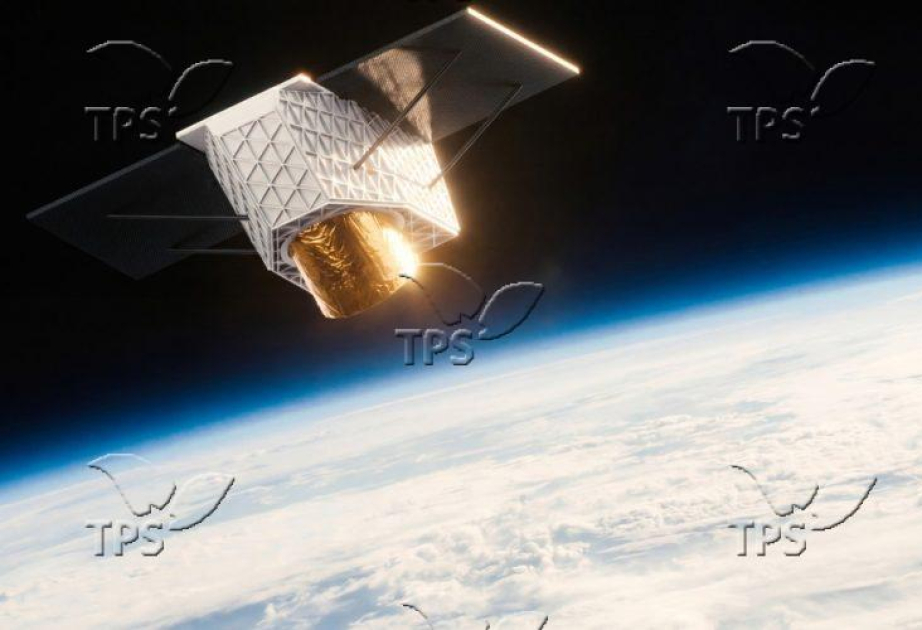
The MGSI Partnership also received support for developing an advanced quarry monitoring system that integrates satellite data and artificial intelligence. The system is designed to calculate mining volumes using digital elevation models, enable high-frequency remote monitoring, and automate oversight processes, potentially reducing operational costs and improving regulatory supervision.
Renewable energy startup BSP is also slated to receive a grant. The company’s technology uses a mechanical buoy designed to harness electricity from ocean waves, even in waters as shallow as 20 centimeters, according to its funding proposal.
Other grant recipients include a project developing a system to extract hydrogen from industrial flares, which will receive NIS 1.5 million ($470,000); a satellite-based quarry monitoring system awarded NIS 730,000 ($230,000); and an accelerator for advancing artificial intelligence applications in the energy sector, which will receive NIS 870,000 ($274,000), alongside a variety of additional innovative initiatives.
The funding was distributed through the Ministry’s Chief Scientist Unit under its startup, pioneer, and demonstration tracks, with total grants amounting to approximately NIS 13.4 million (about $4.2 million).
Beyond the current grants, the ministry said it is examining additional funding opportunities in cooperation with the Ministry of Environmental Protection and through Israel’s Cleanup Fund. These potential grants would target energy recovery from waste, alternative fuel production, green hydrogen, agro-voltaics, and education and community-based initiatives.
Prof. Brian Rosen, Chief Scientist at the Ministry of Energy and Infrastructure, said the strong response to the call highlights growing momentum in the sector.
“Our call for early- and advanced-stage industrial research and development is an important means of promoting Israeli industry and helping them overcome the main barriers to growing a business in the energy sector,” Rosen said. “The fact that this year we received more than double the number of proposals than in previous years is a testament to its success and importance.”