
Jerusalem Post
ByLEO FEIERBERG BETTER
Although many non-Muslims see the main focus of the month in daily fasting, Islam encourages its followers to better themselves through different means, including increased prayer and charity.
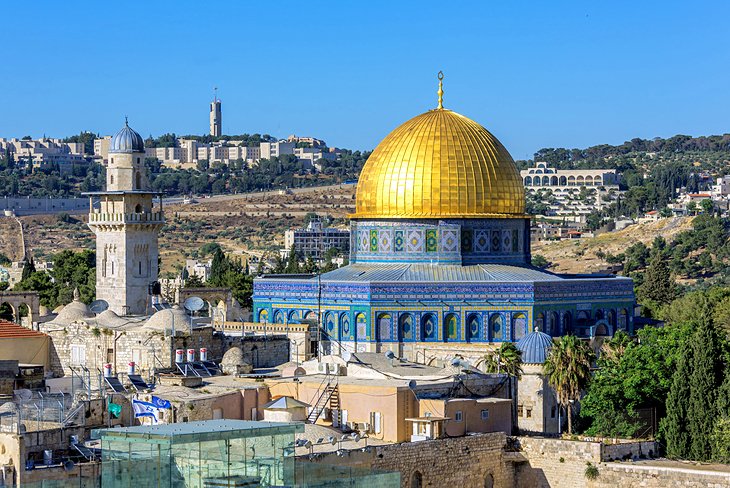
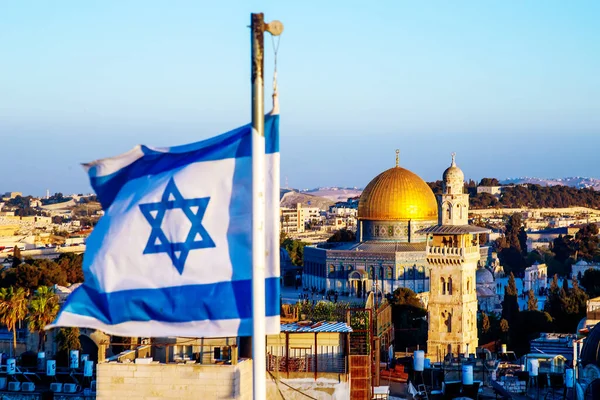
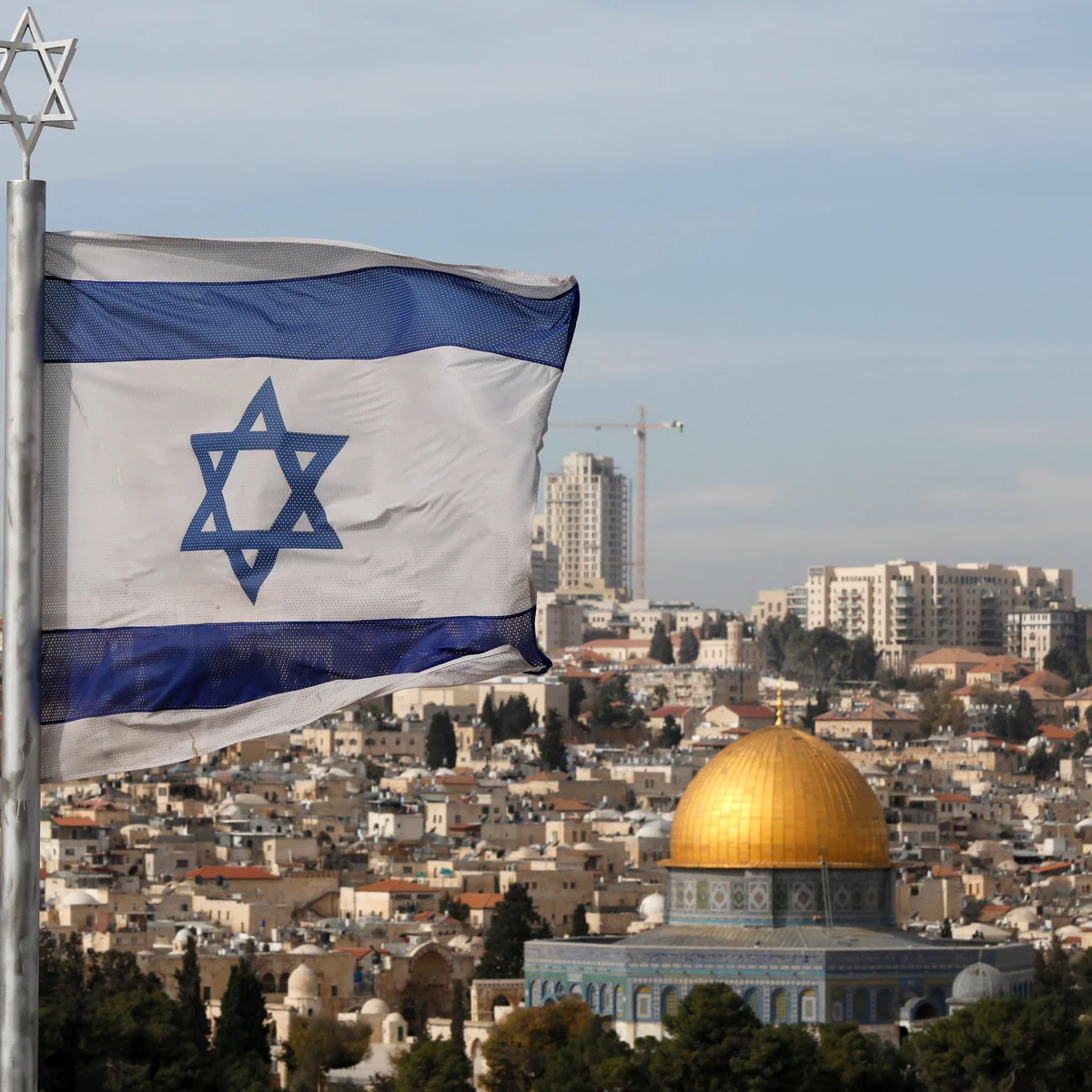
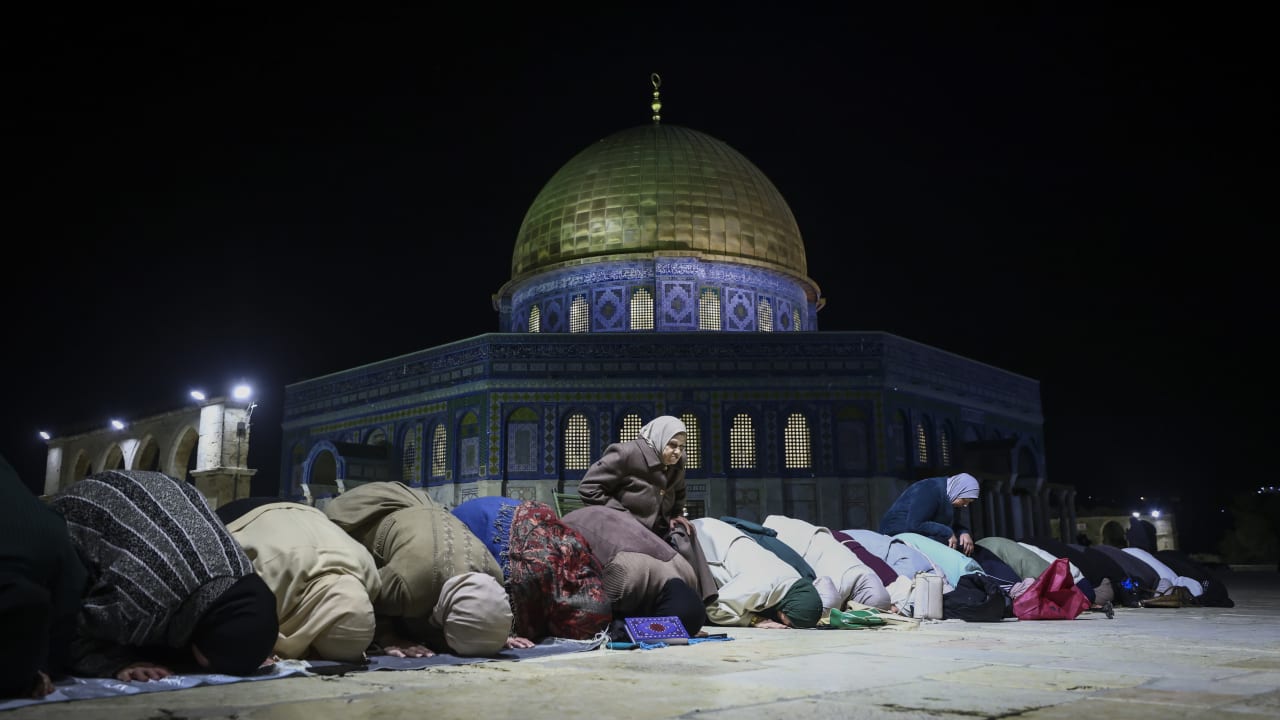
With the start of the Islamic holy month of Ramadan on Wednesday, tens of thousands of Muslim worshippers are expected to gather at Jerusalem’s al-Aqsa Mosque in the coming weeks. Muslims consider the month, in which they believe God revealed the Quran to Muhammad, as a time of fasting and devotion.
Ramadan is one of the five pillars of Islam, along with the declaration of faith (Shahada), daily prayer (Salah), giving to charity (Zakat), and pilgrimage to Mecca (Hajj).
What is Ramadan?
The ninth month of the Islamic calendar, Ramadan, lasts 29 or 30 days. As Islam follows a lunar calendar, the corresponding Gregorian date for Ramadan shifts by almost two weeks every year.
The month begins with the sighting of the crescent moon. Its appearance can be precisely calculated, yet it is still traditionally confirmed through physical observation by Islamic religious authorities.
During these days, Muslims fast from dawn until sunset, refraining from eating, drinking, smoking, and having marital relations.
Many rise before dawn to eat the preparatory suhur meal and break their fast at night with the iftar meal. At this meal, many Muslims eat dates, as Muhammad is believed to have done when breaking his fasts. Iftar meals are often a communal affair, and a time to gather with friends and family.
Advertisement
Eid al-Fitr, the end of Ramadan, is marked by special prayers, gift-giving, and lavish meals. In many Muslim-majority countries, the day can even be a national holiday.
Although many non-Muslims see the main focus of the month as a daily fast, Islam encourages its followers to better themselves through different means, including increased prayer and charity. According to Islamic belief, the reward for good deeds increases during Ramadan.
Ramadan in Israel
In Israel, Ramadan has significant political and security implications. Some days, hundreds of thousands of Muslims gather on the Temple Mount’s al-Aqsa Mosque for prayers. Worshippers come from Israel, the West Bank, and foreign countries.
Currently, Palestinians from the West Bank require permits to enter the city, and Israel is set to approve around 10,000 permits per day this Ramadan. As such, due to the sensitive Old City location of the mosque and tensions between Jews and Palestinians, police undertake massive yearly efforts to keep the peace during the month.
Beyond its religious significance, Israeli security officials have historically warned that the risk of violence can increase during Ramadan.
In 2021, Ramadan clashes between Palestinians and Israeli police on the Temple Mount led to a 15-day war with Hamas. Still, in the two years since Hamas’s October 7 massacres and the beginning of the subsequent Israel-Hamas War, tensions in Jerusalem have been higher than usual, but the number of incidents has been unusually low.
In 2025, the IDF and Shin Bet reported an 80% drop in terrorist attacks originating from the West Bank since the year before, despite anger over two years of war increasing Palestinian hostility against Israel.
Ramadan amid ongoing conflict
In both 2024 and 2025, no serious incidents involving the Old City were reported, aside from several arrests for incitement to terrorism. This year, hundreds of police officers have been deployed throughout Israel’s capital to ensure safety, with a special focus on Fridays, when the largest number of people attend prayers.
“We want to allow everyone who wishes to pray to do so,” Arad Braverman, Deputy Commander responsible for the Old City and its holy sites, told reporters this week, emphasizing the police’s goal of maintaining freedom of worship while preventing violence.
Sarah Ben-Nun contributed to this report.