
SOCIETY
Italian expert: President Ilham Aliyev’s visit to Washington marks emergence of new geopolitical line in the Caspian region
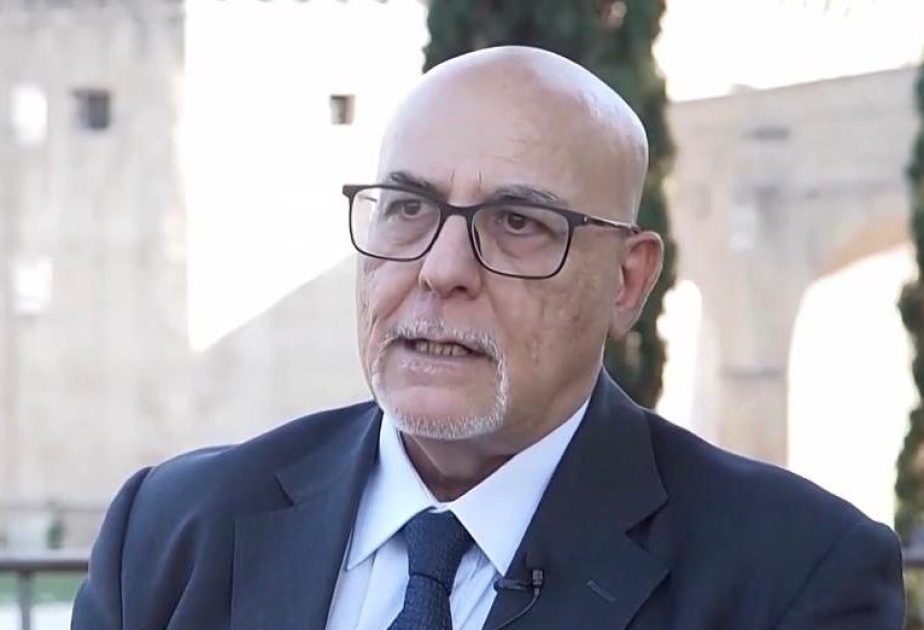
“When President Ilham Aliyev of Azerbaijan took his seat at the inaugural meeting of the Board of Peace in Washington on February 19, 2026, at the personal invitation of President Donald Trump, the moment signified far more than a routine diplomatic engagement. It represented the culmination of a remarkable recalibration of Azerbaijan's role in global security architecture and its emergence as an indispensable partner for the United States in a region increasingly defined by competition over energy, transport corridors, and technological infrastructure,” Carlo Marino, Vice-President of the Italy-Azerbaijan Association and international expert told AZERTAC.
“The Board of Peace meeting, which brought together founding member states to sign a resolution defining principles of financial integrity and transparency, served as the institutional framework for what has quietly become one of the more significant strategic realignments in the South Caucasus since the end of the Cold War,” he said.
Noting that the Board of Peace convened on February 10, and Baku and Washington signed the Charter on Strategic Partnership between the Government of the United States and the Government of the Republic of Azerbaijan, the Italian expert said that the document transforms what was once primarily an energy-centric relationship into a multidimensional strategic alliance.
According to him, the Charter, signed in Baku on February 10, establishes working groups across four critical domains: economy and trade; energy; connectivity, artificial intelligence, and digital development; and security and defense. “Within three months, these working groups are expected to deliver concrete roadmaps and project lists—an ambitious timeline that signals genuine urgency on both sides,” he added.
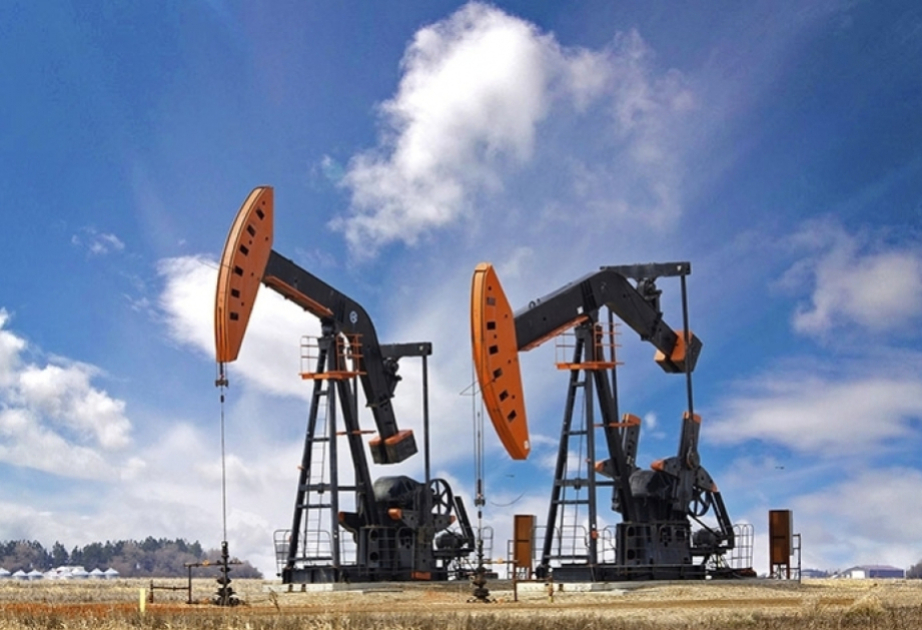
“What makes this document particularly noteworthy is its breadth. Traditional cooperation in oil and gas now expands to include civil nuclear cooperation, critical minerals transit, and electricity sector integration. The Southern Gas Corridor, already operational and delivering Azerbaijani gas to European markets, has proven Baku's reliability. The charter builds on this trust to envision energy partnerships extending decades into the future,” the expert underlined.
“But perhaps the most forward-looking elements concern digital transformation. The charter explicitly commits both nations to collaboration on artificial intelligence partnerships, cybersecurity, space industry cooperation, and the development of AI data centers in Azerbaijan through public-private partnerships. This is not diplomatic boilerplate; it reflects a recognition that control over data and digital infrastructure will define the next era of geopolitical competition—and that Azerbaijan, situated at the crossroads of Europe and Asia, can serve as a critical node in emerging digital networks,” he mentioned.
“The agreement referenced was initialed on August 8, 2025, in Washington—the product of intense American mediation and, crucially, Azerbaijan's willingness to pursue a negotiated settlement after securing its territorial integrity on the battlefield,” Carlo Marino noted.
“For European observers, and particularly for Italian policymakers, the deepening U.S.-Azerbaijan strategic partnership carries profound implications. Italy has long been Azerbaijan's foremost partner within the European Union—a relationship anchored in energy interdependence but increasingly extending into security cooperation, cultural exchange, and strategic dialogue.
The numbers tell part of the story: Italy is Azerbaijan's largest trading partner in the EU, and Azerbaijani oil and gas flows consistently to Italian markets. But the relationship has evolved beyond simple supply chains. The Italy-Azerbaijan University, established through bilateral agreement, represents a significant investment in educational and cultural cooperation that builds people-to-people ties and creates durable connections between the two societies,” the expert stated.
“The sixth meeting of the Joint Intergovernmental Commission on Economic Cooperation, held in Baku in January 2026, underscored the breadth of this partnership. Discussions covered not only traditional energy cooperation but also alternative energy projects, transport connectivity, and educational initiatives. The commission's successful conclusion and the agreements reached there will provide additional momentum for advancing bilateral relations,” Carlo Marino emphasized.