

Jerusalem Post
ByDR. MAYA ROSMAN
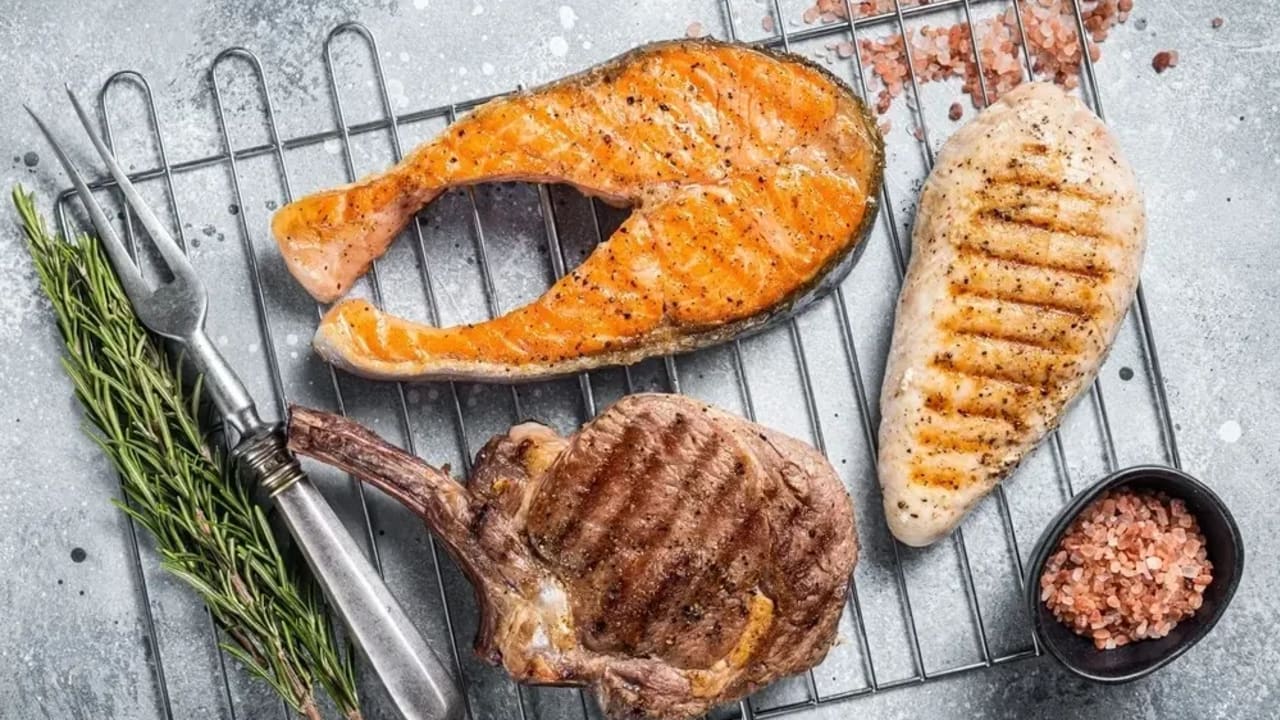
Those looking for high protein, and even people on a diet, often ask themselves – which type of meat is preferable? Dr. Maya Rosman clarifies.
In my courses, the same question comes up frequently: What is better – chicken, fish, or beef? Are fish the best choice for weight loss? And is beef really "less healthy"?
The truth is simpler than commonly thought: All three types contain high-quality protein, important nutritional values, and the differences between them are not large.
But there are some subtle points: Fat, calories, iron, and fatty acids – which can affect how we feel and how our diet looks.
Let’s clarify: What is truly better for health and dieting, when to choose fish, when chicken, and what are the advantages of beef.
What Is Better for Health – Chicken, Fish, or Beef?
Protein
The truth is that at the basic level, there is almost no difference between them.
All contain about 25 grams of high-quality protein per 100 grams, and this is the most important factor for muscle building and satiety.
So where are the small but significant differences? The main comparison is divided into three areas:
Fatty Acids
Sea fish are the clear winners here thanks to omega-3 (EPA and DHA), which reduce heart disease and inflammation. Beef usually falls short due to saturated fat, while chicken is considered relatively low in fat.
Vitamins and Minerals
Beef has a slight advantage: It contains the highest amounts of iron, zinc, and vitamin B12. Compared to beef and chicken, fish mainly provide iodine and vitamin D.
All three build muscle effectively, but fish are considered anti-inflammatory due to omega-3. Red meat is considered slightly heavier to digest.
Calories and Fat
Here, the differences are no longer small. But it all depends on the fat percentage of the cut you choose:
Lean cuts: Parts like sirloin, fillet, shoulder 5 (excellent for lean meatballs), or beef chest contain about 200 calories per 100 grams. These are the recommended cuts for weight loss.
Fatty cuts: Cuts with a high fat percentage, such as entrecôte or ribs, reach about 300 calories per 100 grams. A 300-gram entrecôte steak at a restaurant can approach 1,000 calories even before sides.
Calories Comparison
Looking at the fattiest cuts of each type: Fatty beef is found in entrecôte (300 calories per 100 grams); for chicken, the caloric equivalent is wings, which have a high fat percentage and can easily exceed 200 calories for a small wing; in fish, salmon or mackerel have about double the calories of most other white fish (like cod or tuna in water).
Why Are Fish Considered Preferable During a Diet?
The preference for fish mainly comes from digestion, not necessarily total calories. Fish are easier to digest and less heavy after a large meal. This is an important advantage, as a heavy, hard-to-digest meal causes fatigue and a stronger craving for sweets afterward.
On the other hand, this may not be the right choice for those who want to feel full for a long time, since what is easy to digest usually satisfies for a shorter period. This requires consuming protein in combination (for example, with other fat or dietary fiber from vegetables) and paying attention to how our body reacts and how long satiety lasts from a meal containing fish compared to a meal with other protein.
Proteins are rated according to their biological value, i.e., how well their amino acid composition supports human muscle building. In this respect, chicken, beef, and fish score a solid 80–85. (For comparison – egg protein, both white and yolk, scores 100). The only competitor to eggs is whey protein, used to produce protein powders for athletes.
What About Vegetarians?
There is good news here too, and I want to emphasize this as a vegetarian since age 12:
Tofu and soy: In soy products (like tofu, edamame, and tempeh), the protein, iron, and calcium are of the same quality found in dairy and meat. This is an excellent complete protein.
Other legumes: Protein quality in other legumes, like lentils, chickpeas, or white beans, is also good but slightly less complete than in soy or animal protein.
Vegetarian Solution: Vegetarians and vegans should ensure they consume enough protein from these sources and combine it with protein-complementing grains (like rice or whole wheat bread) at some point during the day – it is not necessary to eat them together in the same meal.
For Dr. Maya Rosman’s newsletter, click here.







.jpeg)