
Biotech breakthrough lets doctors track immunity in minutes
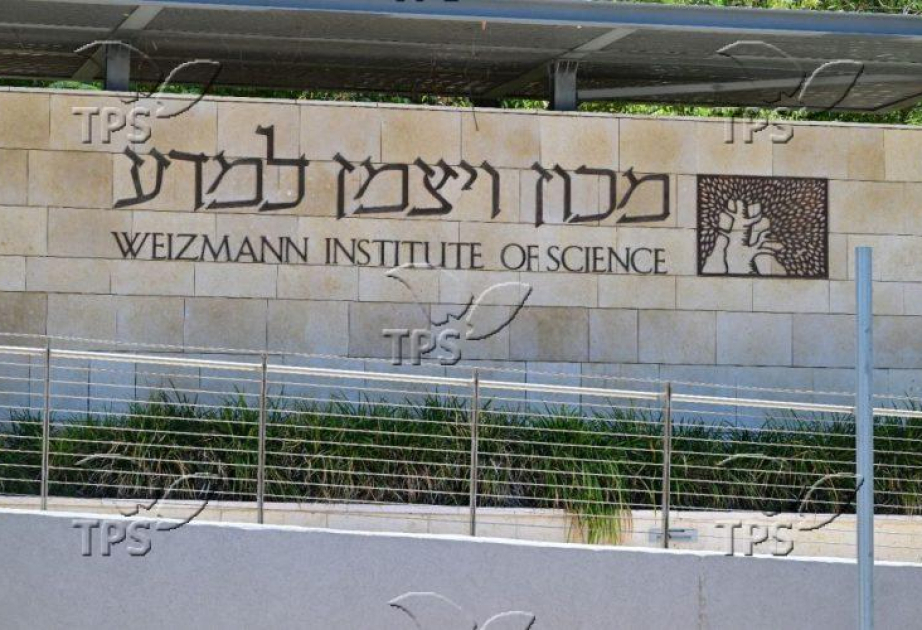
A biological chip developed at the Weizmann Institute of Science in Israel could dramatically shorten the time it takes to analyze how the human immune system responds to new viruses, TPS-IL reported citing the research recently published by the institute.
The technology is designed to rapidly map antibody responses and may become a key tool in preparing for future pandemics.
The chip was developed in the laboratory of Prof. Roi Bar-Ziv during the early months of the COVID-19 outbreak, when researchers worldwide were racing to understand a virus with little existing data. According to the Weizmann Institute, the team recognized that experimental tools originally designed for basic research could be adapted to address urgent public health needs. Their findings were recently published in the peer-reviewed Nature Nanotechnology.
“During the pandemic, we realized that tools developed by our lab could be repurposed for exploring viruses and become immediately relevant,” Bar-Ziv said.
Traditionally, identifying which antibodies recognize a virus requires producing viral proteins one at a time and testing how they interact with human serum, a process that can take days or even weeks. Some laboratories rely on microfluidic systems to speed this up, but those setups require complex pumps and precise mechanical control.
The new chip bypasses those limitations. Instead of using pre-manufactured proteins, it produces viral proteins directly on its silicon surface. Each region of the chip contains printed DNA instructions encoding a specific viral protein or fragment. When researchers add a biochemical mixture that enables protein synthesis, the chip generates dozens of viral antigens simultaneously, without the need for living cells or complex equipment.
By applying less than a drop of blood serum, scientists can observe how antibodies bind to each antigen separately. According to the institute, this allows researchers to reconstruct an individual immune fingerprint, showing not only whether antibodies are present, but also how strongly they interact with different parts of a virus.
To test the system, the researchers analyzed blood samples from people who had recovered from COVID-19 and compared the results with standard tests. They found that the chip could detect subtle antibody responses that traditional methods sometimes overlooked. The experiments also revealed that immune responses varied widely between individuals, including differences in how antibodies reacted to coronavirus variants.
“If a new outbreak emerges tomorrow, we could take that virus’s genetic sequence, make its proteins on the chip, and test antibodies immediately. It’s an incredibly powerful tool for preparedness,” Bar-Ziv said.
The research group is now collaborating with Sheba Medical Center to track immune responses over time in people who recovered from COVID-19.
According to the Weizmann Institute, combining this data with patients’ medical histories could support the development of more targeted vaccines and treatments. The team is also exploring how artificial intelligence models could be used alongside the chip to accelerate the design and testing of engineered antibodies.




.jpeg)