
Jerusalem Post
ByDR. MAYA ROSMAN
We are used to reading articles about foods that help protect the heart and the brain – or those that preserve eyesight – but what about one of our most important senses: Hearing?
There are several things that are important to pay attention to in nutrition. A lot is said about the connection between nutrition and the heart, nutrition and eyesight, the liver, the intestines, the brain. But there is one important sense that we hardly talk about, and our nutrition affects it as well: Hearing.
With age, and especially after the ages of 40–50, hearing loss becomes more common – and not only because of noise, genetics, or “natural wear and tear.” More and more studies show that what we eat also plays a role here.
In 2025, a large study was published showing that people who followed a balanced vegetarian diet were at lower risk of hearing loss compared to those who consumed a typical Western diet. The study was published in the journal Frontiers in Nutrition and examined the relationship between dietary patterns and hearing loss in a group of adults.
In the study, population data of approximately 3,839 adults (aged 60+) were analyzed, with no hearing loss at the beginning of the study, and over approximately 4 years of follow-up they examined whether there was a connection between dietary diversity and the risk of developing hearing loss.
The study showed that a diet that prioritizes a wide variety of plant-based foods is associated with a reduced probability of developing hearing loss, even after accounting for age and other risk factors.
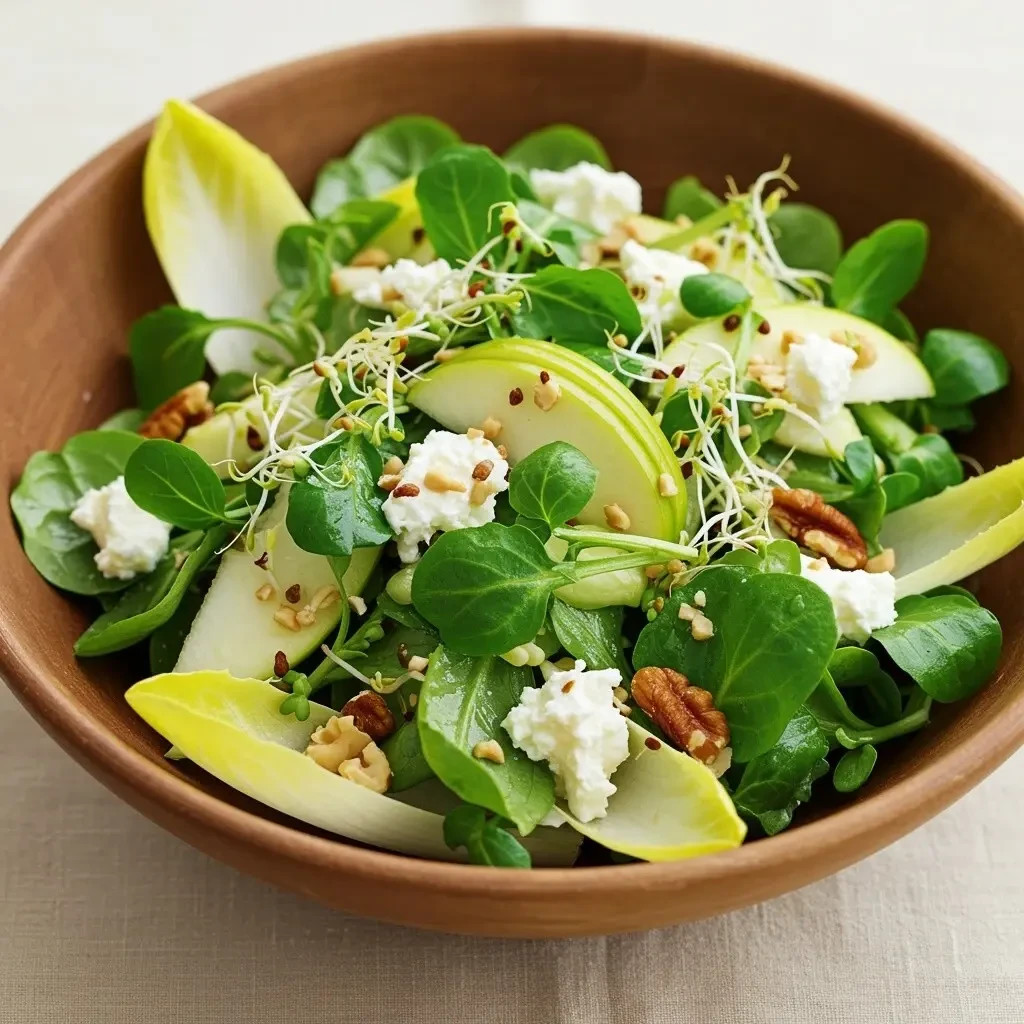
Vegetables are good for you (credit: SHUTTERSTOCK)
Why might a vegetarian diet support hearing?
The study itself adds a biologically mechanism-based explanation that aligns with previous studies in the field:
More antioxidants – vegetables, fruits, legumes, and nuts are rich in vitamin C, vitamin E, and phytonutrients, which can help reduce oxidative stress in the cells of the inner ear, which may reduce damage to the auditory hair cells.
Anti-inflammatory activity – plant-based eating patterns are characterized by lower levels of general inflammation, which may help preserve small blood vessels and microcirculation in the inner ear.
Improved blood flow – a healthy diet may contribute to proper blood flow and reduced cardiovascular risks, which also helps preserve the tissues of the inner ear.
It is important to emphasize: This is not about a “hearing-saving veganism,” but about a balanced plant-based diet that does not cause deficiencies.
Omega 3 – not only for the heart and brain
Omega 3 (mainly DHA and EPA) has been studied in relation to hearing, and it was found that:
• It supports better blood flow to the inner ear
• Helps protect nerve cells
• Is associated with a lower risk of age-related hearing loss
Main sources: Fatty fish (salmon, sardines, mackerel)
For vegetarians – flaxseeds, chia, walnuts (although conversion in the body is limited)
Vitamins important for hearing – A, C, E
These three vitamins have been studied in the context of protecting hearing cells, mainly through one mechanism: Reducing oxidative damage.
Vitamin A – important for proper nerve cell function. Sources: Carrots, sweet potatoes, pumpkin, spinach
Vitamin C – a strong antioxidant, supports blood vessels. Sources: Red pepper, citrus fruits, kiwi
Vitamin E – protects cell membranes. Sources: Almonds, nuts, cold-pressed oils
The combination of them is more important than each one alone.
Minerals – which is the most important?
Among the minerals, the most important is probably also the trendiest one these days, and that is a good thing because we are paying more attention to it: Magnesium.
Magnesium has received special attention in hearing research as well. Why? It is involved in nerve signal transmission, helps relax blood vessels, may protect the inner ear from noise damage and reduced blood flow. Dietary sources: Green vegetables, banana, cocoa, legumes, almonds, nuts and seeds, oats, and additional whole grains.
What harms hearing?
Here there are no surprises:
Anything that increases chronic inflammation in the body can also affect the delicate blood vessels and nerve cells in the inner ear. Including excess sugar, ultra-processed food, trans fat, and a diet poor in antioxidants. Hearing, ultimately, also depends on good blood flow and a functioning nervous system.
The bottom line: Hearing is indeed mainly affected by noise and environmental factors, but also by our nutrition. It is linked to blood vessels, nerves, inflammation, and overall nutritional status.
There is no “food that fixes hearing,” but there is nutrition that can help preserve it over the years.
And if we are already protecting the heart, the brain, and eyesight – it is worth remembering the ears as well.
For Dr. Maya Rosman's online diet course click here