
Jerusalem Post
ByDR. MAYA ROSMAN
For those looking to reduce animal-based food consumption, lentils are the perfect solution. Here are all the reasons.
Our connection to lentils begins as early as the biblical era. In the famous story in the Book of Genesis, Esau returns from the field tired and hungry, and sells his birthright to Jacob for "bread and a lentil stew." The choice of lentils (most likely red/orange) was not random; even then, they were considered a nutritious, filling, and comforting food. Today, thousands of years later, science proves that what was good for our ancestors is now considered a "superfood" for us.
For those looking to reduce animal-based food consumption, lentils are the perfect solution. They are an excellent source of high-quality plant protein: In 100 grams of cooked lentils, you will find about 9 grams of protein. In the dry product, the amount jumps to about 25 grams of protein per 100 grams. They are a worthy substitute for chicken or meat, allowing maintenance of muscle mass and vitality without the saturated fat and cholesterol associated with animal products.
Unlike "white" carbohydrates that cause sharp spikes in blood sugar, lentils have a low glycemic index. This means they digest slowly, provide stable energy over time, and prevent hunger attacks. This is crucial not only for people with diabetes but for anyone looking to maintain focus and a healthy weight.
Nutritional Wealth: What Do They Really Contain?
Lentils Are a "Bomb" of Minerals and Vitamins
In one cup of cooked lentils (about 198 grams) lies enormous nutritional power:
Iron: About 6.6 mg
Percentage of daily intake: About 37% for men and 37% for women (for women of reproductive age, the need is higher, making this about 83% of the daily allowance for men and 37% for women).
It’s worth noting that iron absorption from plant sources improves significantly alongside vitamin C.
Magnesium: About 71 mg
Percentage of daily intake: About 18% of the average daily allowance
Essential for normal heart function, muscle relaxation, and preventing cramps.
B Vitamins:
Folic Acid (B9): About 358 mcg
An impressive figure representing about 90% of the recommended daily allowance. It is critical for red blood cell formation and preventing birth defects.
Vitamin B6: About 0.35 mg, about 18% of daily intake
Essential for protein metabolism and brain function.
Zinc: About 2.5 mg
Percentage of daily intake: About 23% of the daily allowance
A key mineral supporting the immune system, skin health, and wound healing.
Differences Between Lentil Types
Basically, all types of lentils provide protein and fiber, but their nutritional and culinary "personality" varies according to color:
Orange/Red Lentils:
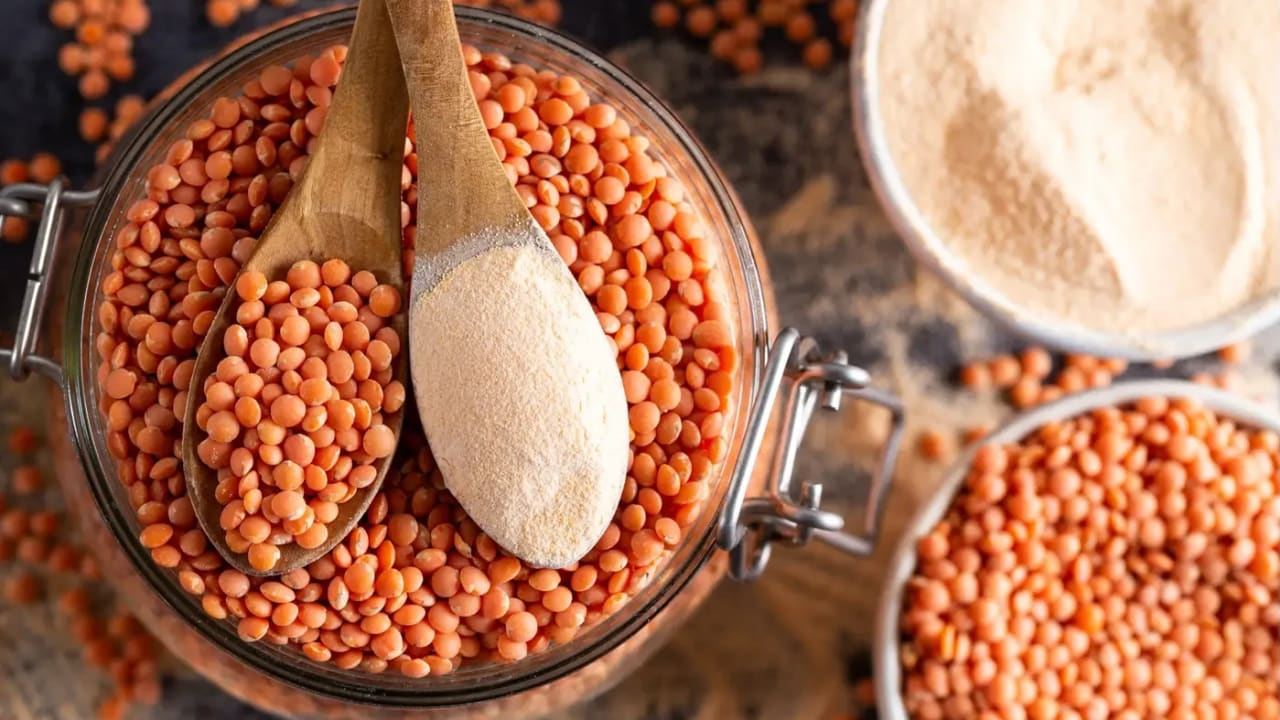
Speed and convenience. These are hulled lentils (without the outer skin), so they cook very quickly and tend to break down into a puree.
Nutritionally, they contain slightly less fiber than whole lentils due to the absence of the skin, but they are the easiest to digest, making them perfect for those who experience bloating after eating legumes.
Green and Brown Lentils:
The most common lentils. They hold their shape relatively well when cooked and have an earthy taste.
They are especially rich in insoluble fiber, contributing to proper digestive function and long-lasting satiety. They make an excellent base for main dishes that need "volume" and presence.
Black Lentils ("Caviar" Lentils):
Queens of antioxidants. Black lentils are small, shiny, and hold their shape perfectly (ideal for salads).
The deep black color comes from pigments called anthocyanins – powerful antioxidants also found in dark berries (like blueberries). These compounds help protect body cells from oxidative damage, inflammation, and aging processes.
For many years, it was believed that to obtain "complete protein" (all essential amino acids), legumes and grains (like rice and lentils – mujaddara) needed to be eaten in the same meal.
New research updates this: It is not necessary to consume them at the same time. Our body can manage an "amino acid store" and complete it throughout the day. Yes, if you ate lentils at lunch and whole-grain bread at dinner, the body can efficiently produce complete protein. This separation eases digestion for many and prevents a heavy feeling.
Lentils are rich in soluble and insoluble fiber. Studies published in The American Journal of Clinical Nutrition show that adding legumes to the daily diet increases the feeling of fullness by 31% compared to a diet without legumes.
Long-lasting satiety helps control food intake and manage long-term weight.
It’s important to remember: 100 grams of cooked lentils contain only about 115 calories. This is relatively low compared to their nutritional benefit and the satiety they provide.
Smart Storage Tips
Lentils, in general, are a dry product with very long shelf life, but they can be damaged by pests over time at room temperature.
Dry product: It is recommended to store in a cool, dark place, but freezing (even dry lentils in their package) ensures complete protection from insects and maintains maximum freshness for months and years.
Tip for convenience: You can cook a large batch of lentils in advance, freeze them in small bags, and add directly to salads or soups – a quick and healthy solution for busy days.
Lentil Crepe Recipe, by My Daughter-in-Law Noy
Soak one cup of red lentils in water for at least two hours, rinse well
Blend together with:
1 tsp salt
1 tsp garlic powder
1 tsp dried basil
Water up to the level of the lentils
Blend until smooth
Pour onto a hot, oiled pan to cover the pan in a thin layer. When bubbles form and edges lift easily, flip.
Add 1 tbsp tomato sauce, 2 tbsp mozzarella, and preferred toppings. Fold so half the crepe covers the other half, fry another 2 minutes on both sides.
110 calories per crepe, 9 grams of protein each.