
Jerusalem Post
ByDORON KUPERSTEIN
New studies and a historic change in American government guidelines reveal: Saturated fat does not cause heart disease, and the war against it was a huge mistake, backed by food giants.
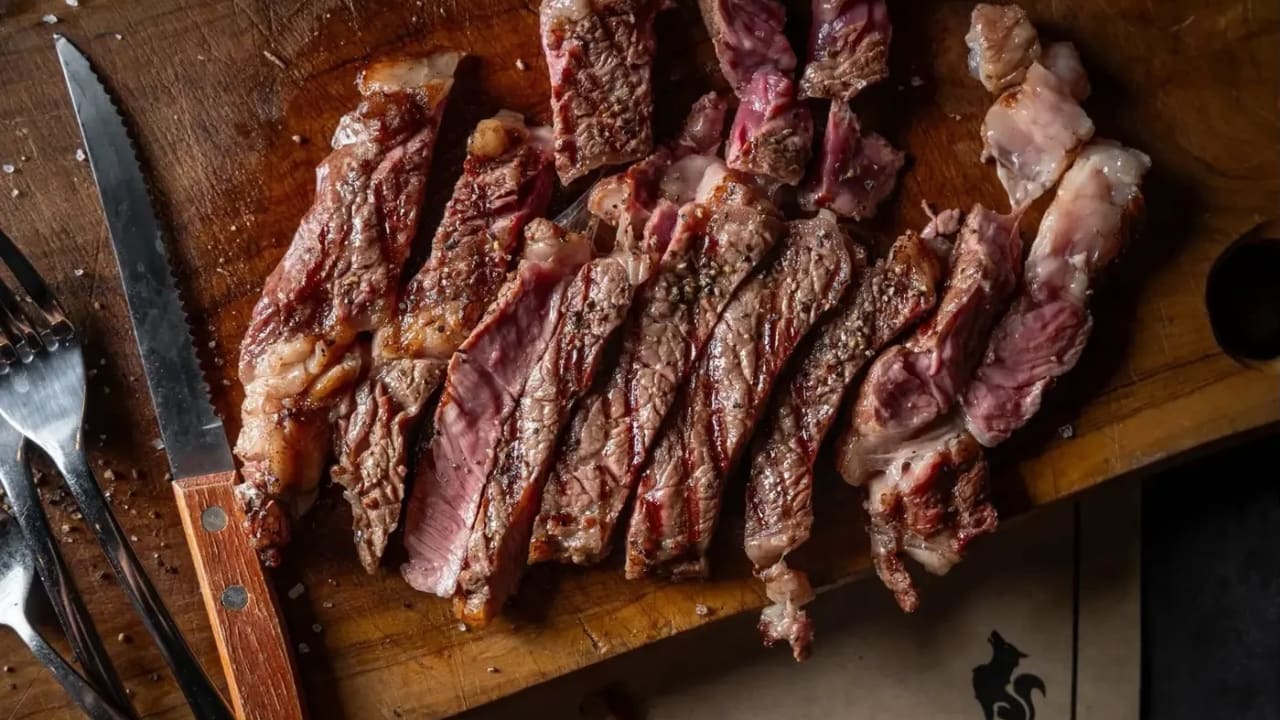
For more than fifty years we were told to avoid saturated fat. To cook with canola oil instead of butter, to choose low-fat milk instead of whole milk, and to fill the plate with pasta instead of steak. But what actually happened? As Americans reduced saturated fat in their diets, the nation became heavier and sicker – not healthier.
Now, after decades, the American government is finally admitting: The war on saturated fat was never based on quality science. In fact, a large and growing body of research reveals that saturated fats are not a threat but a central part of a healthy diet. And next month, the American government is expected to remove the decades-old limit on saturated fat from the federal dietary guidelines – a critical turning point that will change school menus, hospital food, and doctors’ recommendations.
The mistake that began in the 1950s
The misguided campaign against fat began in the 1950s, when researcher Ancel Keys proposed a link between saturated fat and heart disease. But in his landmark “Seven Countries” study, Keys selectively chose countries that supported his claim and ignored others – such as France and Germany – where people consumed a lot of butter and meat yet suffered from low rates of heart disease.
In the decades that followed, scientists conducted a series of large, controlled clinical trials around the world, some funded by the National Institutes of Health, involving 67,000 participants. Participants in the experimental groups replaced animal fats with vegetable oils from corn and soy, while the control groups ate traditional diets – with up to 18 percent of calories from saturated fat.
When the results of these “core trials” did not confirm Keys’ hypothesis, researchers largely ignored or buried them. One large study was not published for 16 years. Scientists who later reconstructed and analyzed the data from that study discovered, surprisingly, that the more men lowered their cholesterol on a diet reduced in saturated fat, the greater their risk of dying from heart disease.
Of dozens of review articles on the core trials, none was able to point to evidence that reducing saturated fat affected cardiovascular mortality or overall mortality.
Why doesn’t it work?
It is true that saturated fat raises LDL, the “bad” cholesterol linked to heart disease. Participants in the trials did indeed manage to lower their cholesterol. But despite this, their mortality did not change, and there was little or no effect on cardiovascular events.
One possible explanation: Saturated fat also raises HDL – the “good” cholesterol that protects the heart – which may balance out the overall effect on heart disease risk. Another explanation is that saturated fats only raise the large LDL particle type – which is not linked to heart disease.
Moreover, saturated fats may even have beneficial effects. The largest observational study in the world, which followed 135,000 people, found that those who ate more saturated fat suffered fewer strokes.
The result: The obesity epidemic
When the first dietary guidelines were published in 1980, 15 percent of adults were obese. Forty-five years later, 40 percent of American adults are now obese, three out of four live with at least one major chronic disease, and a third suffer from prediabetes. Heart disease remains the leading killer in the country.
We got here by replacing the whole, unprocessed foods our ancestors ate for thousands of years with processed and refined carbohydrates – foods strongly linked to obesity, diabetes, and early death.
The truth behind the scenes
Internal communications of the Dietary Guidelines Advisory Committee from 2015 revealed an admission that there were “no data” to justify the 10 percent recommendation. The scientific process was “contaminated” by extensive corporate ties among committee experts. Most of them, according to a study published in the journal Public Health Nutrition, received funding from ultra-processed food manufacturers who profit from removing whole foods from the menu.
Fortunately, the momentum is changing. Policymakers from both parties are calling for a reexamination of national nutrition policy. Dr. Marty Makary, who heads the FDA, has repeatedly said that the demonization of saturated fat is a “medical dogma” that must end.
The central message: Butter, cheese, and meat are returning to the healthy menu. After 50 years of error, the American government is finally correcting course – and it’s time we do the same.