
Jerusalem Post
ByPESACH BENSON/TPS
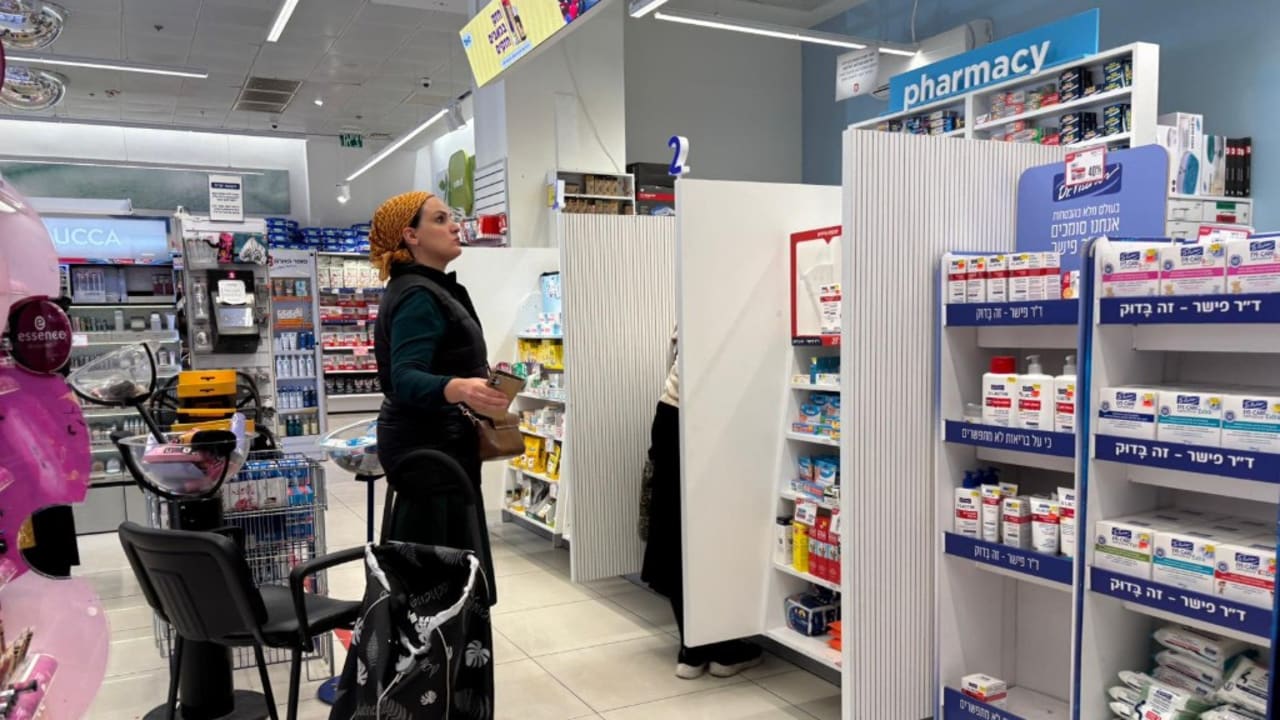
An Israeli study suggested that financial incentives tied to health outcomes could dramatically improve diabetes management among low-income patients. Researchers found that offering vouchers to offset medication costs, conditional on improved blood sugar levels, led to results comparable to adding a new drug to a patient’s regimen.
Managing Type 2 diabetes is a daily challenge that can include strict dietary and exercise regimens, along with complex medication schedules. For patients facing financial hardship, these costs can become barriers to care, leading some to skip doses or delay refills.
According to the International Diabetes Federation, more than 500 million people worldwide have Type 2 diabetes. The organization estimates that by 2045, over 700 million adults could have diabetes if trends in aging populations, sedentary lifestyles, poor diet, and obesity continue. Type 2 diabetes is a major driver of complications like heart disease, kidney failure, blindness, and amputations.