
Jerusalem Post
ByDR. MAYA ROSMAN
Our immune system knows how to work very well when the body receives everything it needs. There is no single food or “magic” supplement that strengthens immunity in an instant. However, the composition of the diet can definitely make all the difference. When the body lacks one of the required components, immune system activity weakens, and we become more susceptible to colds and illnesses.
So what can be done? Focus on the components that really have an impact.
Here are the four most important categories to pay attention to – and within each of them, I have chosen the selected food that is recommended to be incorporated into the daily menu during these days. All the details and explanations are below,
Proteins
Because the immune system is built largely from proteins – antibodies, enzymes, and the immune system cells themselves – the body needs a daily supply of high-quality protein in order to produce them. When not enough protein is consumed from sources such as eggs, meat, fish, legumes, and dairy products, the production capacity of immune cells is impaired, antibody formation weakens, and the immune response may be slower and less effective.
My choice – egg. A source of the highest-quality protein in nature, with a biological value of 100 – the highest of all protein sources, even higher than meat, fish, or dairy products.
The egg provides all the essential amino acids, supports muscle building, strengthening of the immune system, and prevention of hair loss. The yolk is rich in vitamins and minerals, and therefore it is recommended to eat the whole egg. For most people, one egg per day is suitable.
The protein in the egg contributes to muscle building, proper functioning of the immune system, and even helps prevent hair loss. The yolk is a particularly rich part and contains most of the vitamins, minerals, and fat, as well as more protein than the protein in the white part, which contains mainly water, a little protein, and few calories.
Therefore, for most people it is recommended to eat one egg per day, and vegetarians can even incorporate 2–3 eggs per day as part of a balanced and varied diet.
What about cholesterol? In the past, it was thought that cholesterol from food necessarily raises blood cholesterol. Today it is clear that this is not always true and not in every case or in all people: cholesterol levels in the body are influenced mainly by internal production by the liver, and not only by diet. Many times, an increase in cholesterol results from excess weight, diabetes, or a genetic background – not necessarily from one egg per day.
Is there an effect of the egg’s method of preparation?
Hard-boiled egg, omelet, pancake – or even a brown egg – their nutritional value is almost identical.
Cooking time does not harm the important values, and on the contrary – in some cases it actually improves their availability.
Vitamin C
There is no unequivocal evidence that large amounts of vitamin C in dietary supplements prevent illnesses. In some studies it was found that such a supplement can slightly shorten the duration of the illness, and in others no effect was found at all.
It is important to know that it is very easy to get vitamin C in our diet, from regular and common foods, and that there is no justification to pay for vitamin C supplements. One orange or a glass of freshly squeezed orange juice, one guava, one kiwi… or even a quarter of a red pepper already provide more than the recommended daily amount.
Important to know: The method of preparation significantly affects the amount of vitamin in the food. Cooking causes a relatively large loss of vitamin C, because it is water-soluble and sensitive to heat. Baking also reduces a considerable amount, especially when the heat is high and prolonged. Crushing or grinding increases contact with oxygen, which accelerates the breakdown of the vitamin. Cutting into a small salad slightly reduces the amount – due to exposure to air – but less than heating. Squeezing fruit into juice is relatively the worst… the vitamin breaks down quickly: About 20–40% of the vitamin C can disappear within half an hour to an hour after squeezing, especially if the juice stands open and unrefrigerated.
Therefore, anyone who wants to get the highest amount of vitamin C – should eat the food in its fresh form, roughly cut, and drink orange juice as close as possible to squeezing.
My choice: Red pepper, which contains 4 times more vitamin C than the recommended daily amount!
It is advisable to incorporate half a fresh red pepper into the diet every day, especially on days of immune load. It keeps well in the refrigerator, suits any salad, and provides a particularly high amount of vitamin C even without squeezing or cooking.
Vitamin A
Found in meat, broccoli, orange vegetables and fruits. Studies have shown that children with a mild deficiency of vitamin A suffer from respiratory system diseases at a higher frequency, compared to children with adequate supply and normal vitamin levels. One carrot already contains more than the amount needed per day.
Unlike sensitive vitamins such as vitamin C, vitamin A (and beta-carotene in particular) is not destroyed by heat, but on the contrary – our biology knows how to utilize it better after cooking. This is exactly what makes vitamin A unique:
While other vitamins – such as vitamin C or some of the B vitamins – tend to be destroyed by heat and cooking, carotenoids are actually released and become more available to the body. That is, carrot soup, sweet potato, or pumpkin in the oven not only do not lose their values – but on the contrary, allow us to utilize them better.
Heating breaks down the cell walls in the plant and increases the biological availability of carotenoids. Therefore, cooked carrot or sweet potato are actually “stronger” in terms of absorption.
My choice: Carrot, which contains more vitamin A (in the form of beta-carotene) than the recommended daily amount.
Fresh or cooked carrot supports immune system function, skin health, and vision. Even light cooking increases the availability of beta-carotene, and therefore it is recommended to incorporate carrot daily in its fresh or cooked form, in a salad, soup, or dish.
Zinc and the immune system
Zinc is one of the most important minerals for the proper functioning of the immune system, and it is involved in more than 300 enzymatic processes in the body. Immune cells need zinc in order to divide, function, and respond quickly to viruses and bacteria.
When there is a zinc deficiency, antibody production is impaired, the immune response slows, and the body has difficulty coping with infections. Several studies have found that taking a zinc supplement at the onset of a cold can shorten the duration of the illness by about 30% on average, and reduce the severity of symptoms – the earlier you start, the better the effect.
It is important not to take high doses over time, since excess zinc can impair copper absorption and the immune system itself.
Good dietary sources of zinc include:
• Beef
• Turkey
• Fish
• Legumes
• Pumpkin seeds
• Almonds
• Whole grains
In plant-based foods, absorption is lower due to the presence of phytates, and therefore among vegetarians and vegans it is recommended to increase intake from diverse sources, combine soaking/sprouting to improve absorption, or consider a supplement in case of deficiency or borderline intake.
My choice: pumpkin seeds – one of the easiest and tastiest ways to increase zinc intake.
One tablespoon of pumpkin seeds provides about 1 mg of zinc, and by combining 2–3 tablespoons per day (in yogurt, salad, or as a snack) it is easy to reach 20–30% of the recommended daily amount. They are especially suitable for vegetarians and vegans, among whom zinc absorption may be lower.
Supplements for strengthening immunity
Let’s start with the bottom line: The effectiveness of most supplements is quite questionable. Despite what is written in large letters on the package – “for winter strengthening,” “flu prevention,” or “immune support” – in practice they do not always contain the components that have truly been proven effective, and sometimes the amount in them is low, not well absorbed, or simply not scientifically relevant.
Some supplements combine dozens of “impressive” ingredients, but without effective dosages, and some contain substances that have no research basis at all.
In other words: The packaging looks promising, but the results do not always match.
Therefore, instead of rushing to buy a supplement “to strengthen immunity,” it is better first to focus on proper daily nutrition, because a small change in eating habits can significantly improve immune system function, and avoid unnecessary spending on supplements that are not really needed.
For a YouTube video on Dr. Maya Rosman’s website, click here
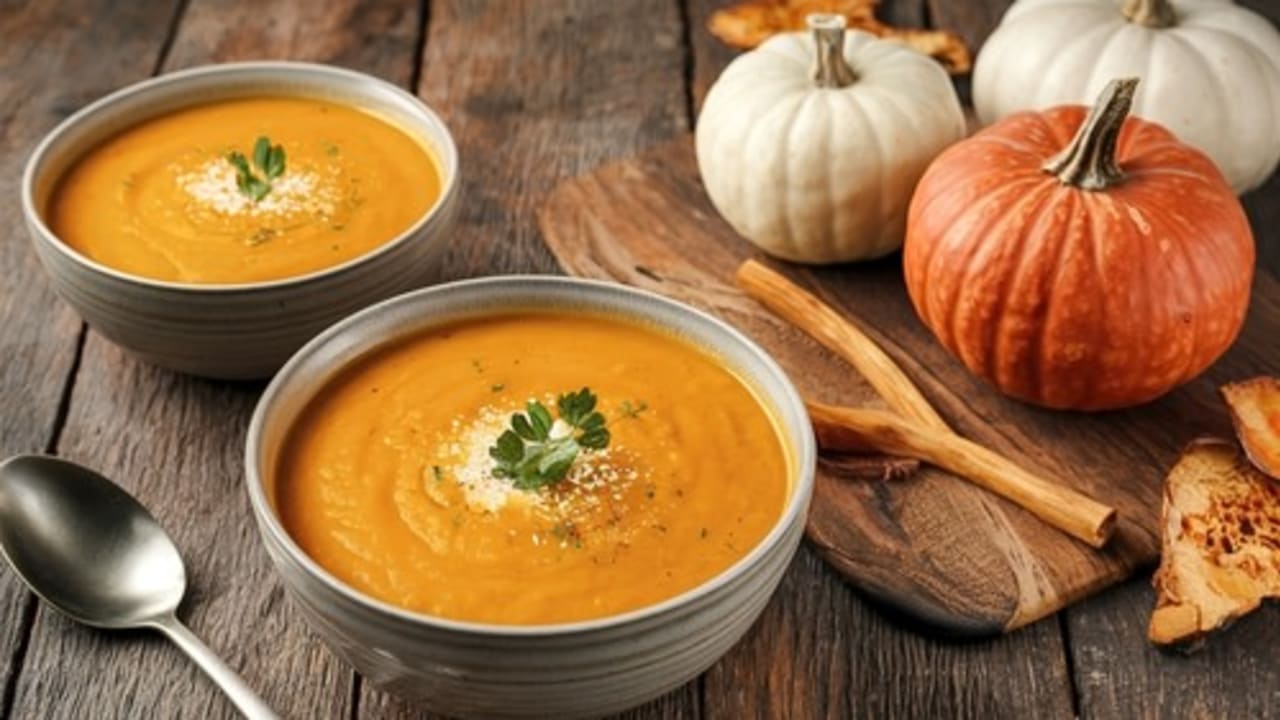
Winter is already here, and this is an excellent opportunity to talk about strengthening the body ahead of winter – and also to recommend one soup that will add important vitamins.