

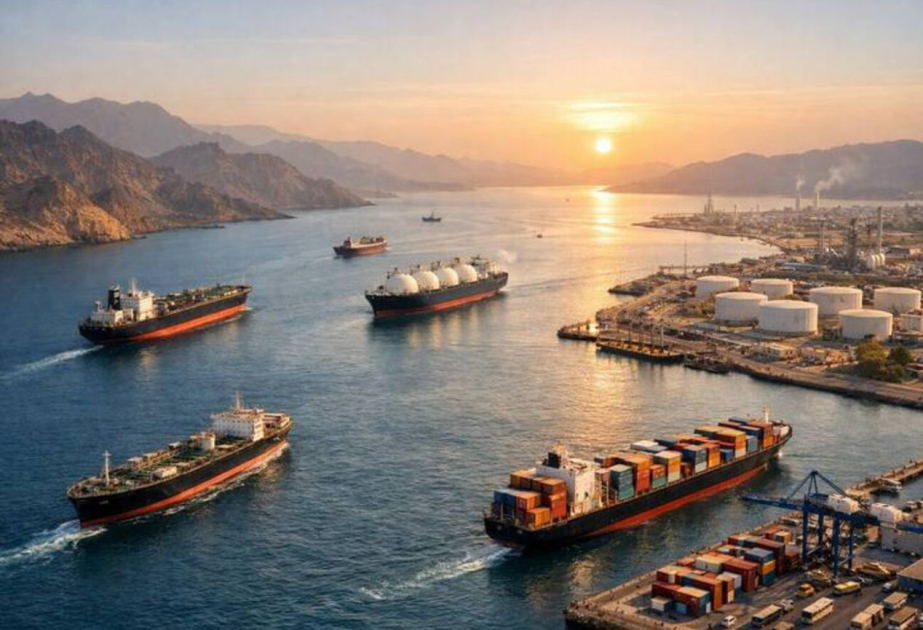
Voyages through the Strait of Hormuz have more than quadrupled in the past week amid growing confidence in the US and Iran’s 60-day ceasefire, according to Financial Times.
The number of traceable journeys by ships passing into and out of the Gulf each day has increased from between one and two for the majority of the conflict to eight on July 1, according to a moving seven-day average from maritime data platform Signal.
Hapag-Lloyd, the major container shipping line, told the FT on Thursday that four ships previously stuck in the Gulf were now out, while rival Maersk said two of its vessels had left the strait last week.
The increased traffic is a sign of shipowners’ belief that they will be able to pass safely through the contested waterway without being hit. The figures are still far below the number of prewar transits, but show operators’ desire to make use of the relative peace to get ships out that have been stuck in the Gulf, or to take advantage of high freight rates.
Iran has struck two vessels since it signed a memorandum of understanding with the US last week. But the number of transits into and out of the Gulf including ‘dark voyages’ reached a total of 258 in the week to June 28, up from 41 in the first week of the crisis in March, according to data from Lloyd’s List Intelligence. These figures take longer to trace, as ships turn off their GPS signals to avoid detection.
US, Qatari and Iranian officials discussed the strait during talks on Tuesday and Wednesday in Doha, but there was little sign meaningful progress had been made towards fully reopening the waterway.
Before the conflict roughly a fifth of the world’s oil and gas passed through the strait, with around 135 vessels per day making the transit.
“It’s really difficult to say whether it’s growing confidence or whether it’s risk takers,” said Jakob Larsen, chief safety and security officer at the biggest shipowners’ association BIMCO. “A decision by a company is really about the security risk, but also how much pain does it inflict to have a ship locked in. At some point shipowners are willing to take that extra risk to get their ship out.”
The two main shipping lanes through the strait have been mined by Iran, with the International Maritime Organization estimating last week that around 80 mines will need clearing before the waterway can be safely used.
Instead, ships are either travelling through the waterway via a route laid out by Iran that requires sign-off from Iran’s Islamic Revolutionary Guard Corps, or via a southern route that hugs Oman’s coastline. The US and Oman have been providing some level of air defence for ships using this route, shipping executives and officials have said.
Most ships that have made the voyage into and out of the Gulf in the past week have been tankers, according to the Lloyd’s List figures. Ships travelling out are largely carrying cargoes that were pumped before the war and kept on the water as storage.
More than 60 have been Iranian as Tehran takes advantage of a US sanctions waiver for trading Iranian oil already on the water.




.webp)