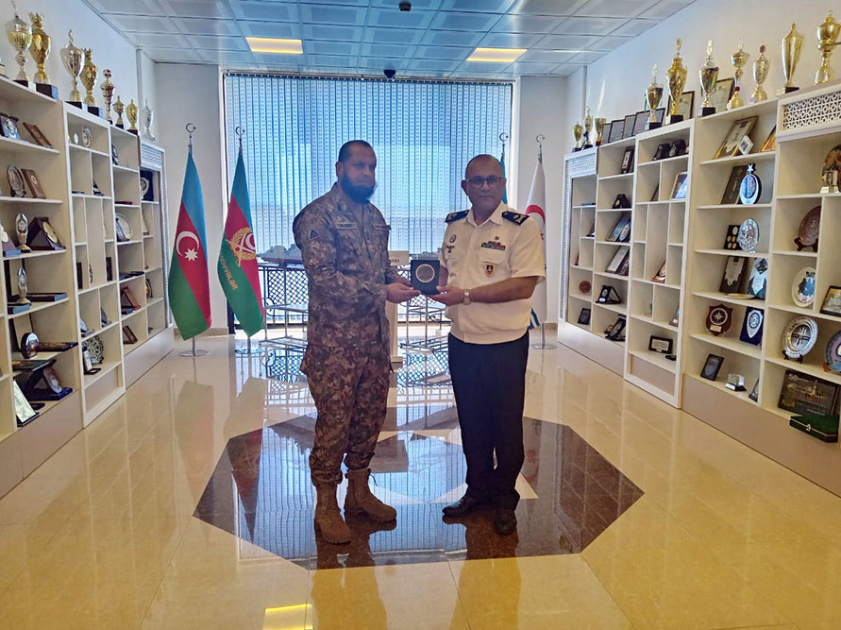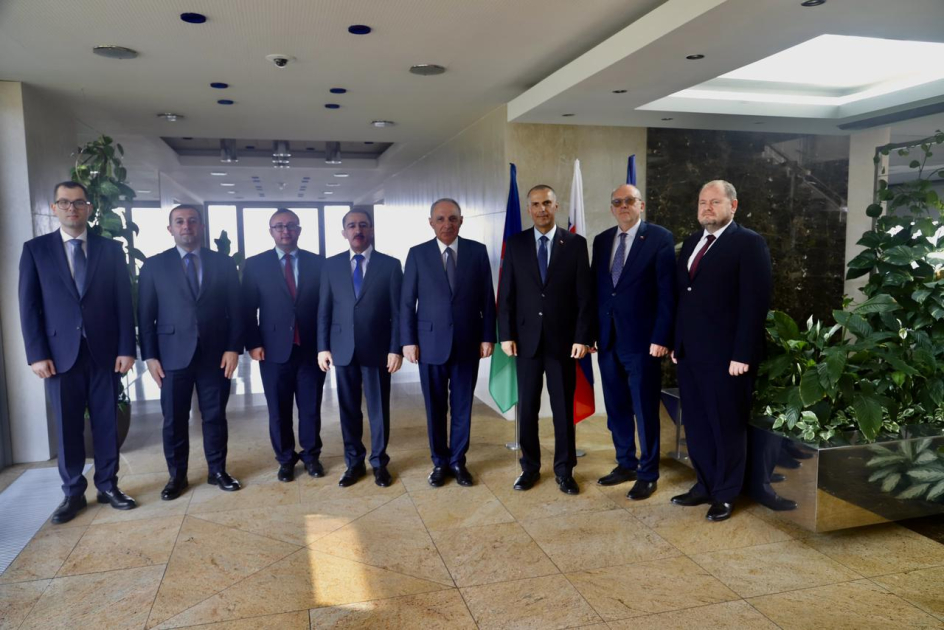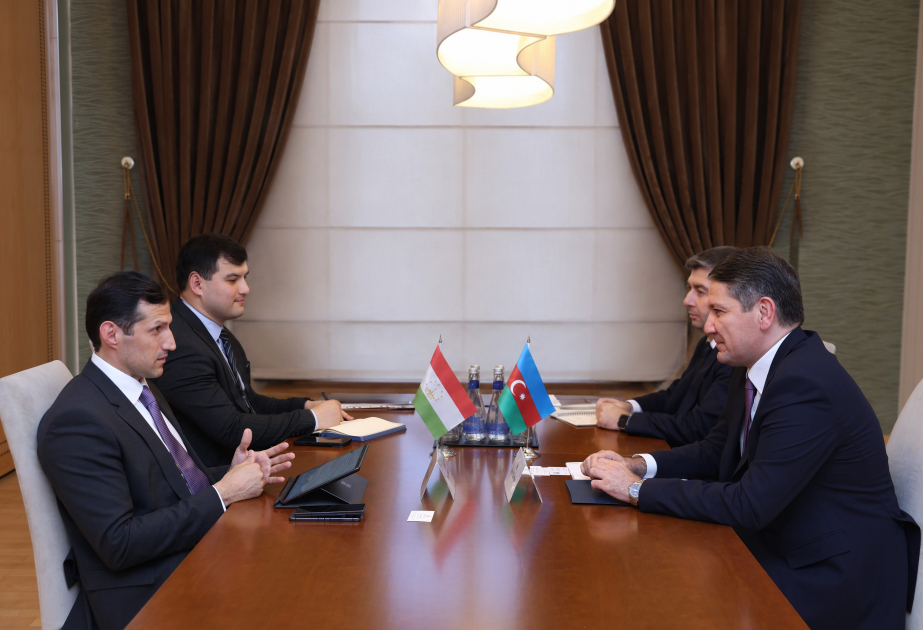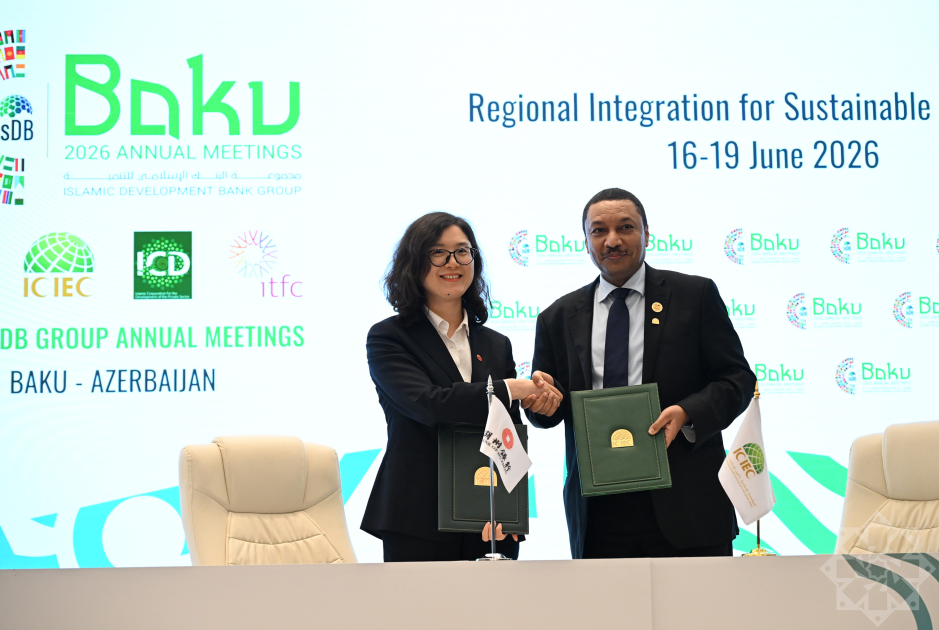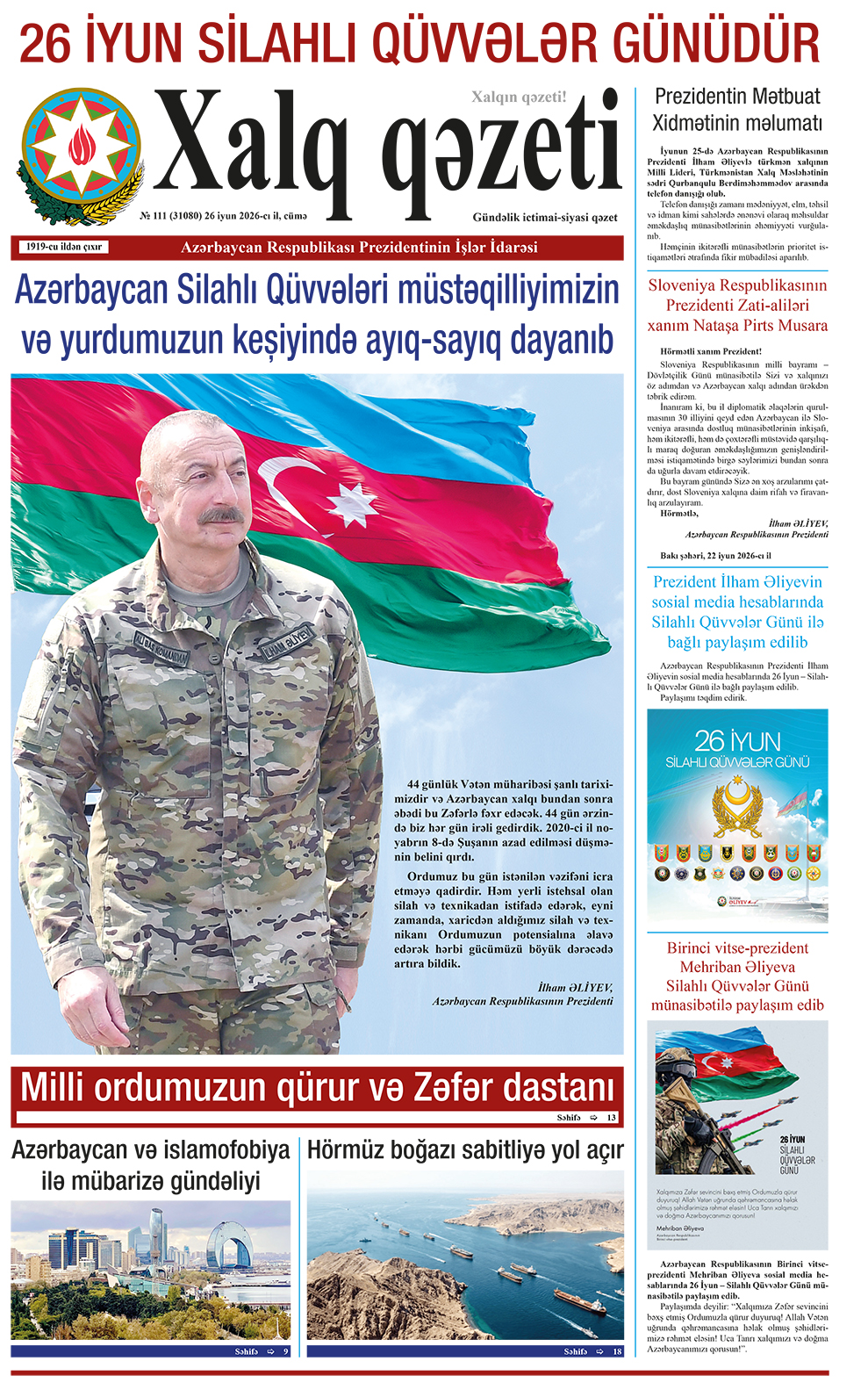

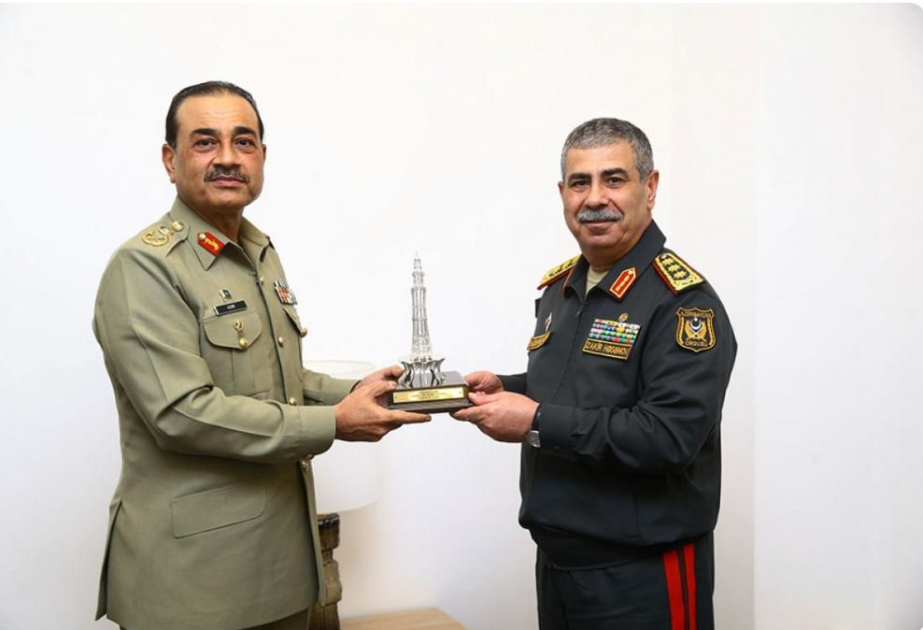
Pakistan’s defence agreements and international partnerships have further strengthened its international image since the May 2025 Pak-India tensions. From defense cooperation with Saudi Arabia to the export of JF-17 aircraft to countries like Azerbaijan, these agreements have played a key role in projecting Pakistan as a responsible and reliable defense partner. All this has not only highlighted Pakistan’s defense capabilities but also strengthened its position in the international community. Saudi Arabia, Azerbaijan and Turkey have been topped on agenda for defence partnership, export and collaboration.
The year 2025 was of exceptional importance for Pakistan’s defense sector. This year, Pakistan not only strengthened its defense capabilities in the region but also signed several international agreements, including a historic defense agreement with Saudi Arabia, a major sale of JF-17 Thunder aircraft to Azerbaijan, and defense equipment exports with other countries. In addition, Pakistan also conducted successful tests of missiles, drones and other advanced technologies, which further strengthened its defense industry and its role in the region. This comprehensive report presents all the major defense contracts and tests from January 2025 to December 2025 in a month-by-month format, so that readers can get a complete understanding of not only the details of the events but also their background, objectives, financial aspects, and regional and global impacts.
Defense negotiations with Azerbaijan
Initial negotiations between Pakistan and Azerbaijan for the sale of JF-17 Thunder Block III aircraft began in January 2025. Azerbaijan decided to modernize its air force after the 2020 Nagorno-Karabakh conflict, and preferred Pakistan’s JF-17 Block III. The initial estimate for the deal included the purchase of 16 aircraft, which was later increased to 40.
Several factors were behind Azerbaijan’s decision: reducing its dependence on Russian-made aircraft, acquiring the capability of modern AESA radar and PL-15 missiles, and consolidating its defense superiority in the region. For Pakistan, the deal was not only financially significant but also a milestone for its defense industry.
JF-17 Block III modernization: Installation of PL-15E missiles
In April 2025, Pakistan began equipping its JF-17 Block III aircraft with Chinese-made PL-15E long-range air-to-air missiles. These missiles have a range of 145 km, and together with the AESA radar, give the Pakistan Air Force a significant advantage in the region.
The move was aimed at improving its air superiority over India’s Rafale and Su-30 MKI aircraft. Although the PL-15E has a shorter range than the Chinese version, its presence has brought about significant changes in Pakistan’s defense strategy. Along with this, Pakistan has also increased the number of JF-17 Block IIIs, in order to modernize the air fleet.
Missile Tests and Defense Readiness: Abdali and Fateh Series Missile Tests
In May 2025, Pakistan successfully tested the Abdali ballistic missile and Fateh series missiles. The Abdali missile has a range of 450 km, while the Fateh series missiles can hit targets up to 120 km. The tests were conducted during the Ex-INDUS military exercise, which was attended by military officers, scientists, and engineers.
The aim of these tests was not only to verify technical capabilities but also to test the operational readiness of the military forces. The missiles included advanced navigation systems, terminal guidance, and the ability to evade anti-ballistic missile systems. The President, Prime Minister, and the military leadership described these tests as important for national defense.
Historic defense deal with Azerbaijan: Sale and investment of 40 JF-17 Block III
A $4.6 billion defense deal was signed between Pakistan and Azerbaijan in June 2025, under which Pakistan will supply Azerbaijan with 40 JF-17 Block III aircraft. This also includes an investment of $2 billion, which is earmarked for joint industrial projects, infrastructure, and possibly local production.
The deal is the largest export deal for Pakistan’s defense industry. Azerbaijan will be supplied with the Block III version, which includes AESA radar, advanced avionics, PL-15 and PL-10 missile capability, and the ASELPOD targeting system. The deal will also see Pakistani pilots and technicians train in Azerbaijan.
20% increase in defense budget
In June 2025, Pakistan increased its defense budget by 20%, mainly due to recent tensions with India and growing threats in the region. The budget allocated Rs2.55 trillion for the army, air force, and navy, which is 1.97 percent of GDP. The budget also includes funds for advanced weapons, drones, and missile systems.
Establishment of Army Rocket Force Command
In August 2025, Prime Minister Shehbaz Sharif announced the establishment of the Army Rocket Force Command (ARFC). The force aims to consolidate conventional missiles and rocket systems, enhance operational readiness, and counter India’s growing missile capabilities.
The ARFC includes missiles such as Fateh-1, Fateh-2, and Fateh-4, which have ranges ranging from 140 to 750 kilometers. The force was established after the May 2025 Indo-Pakistan conflict, in which India launched Brahmos missiles at Pakistani targets.
Pakistan-Saudi Arabia Defense Agreement (SMDA)
On September 17, 2025, Pakistan and Saudi Arabia signed the Strategic Mutual Defense Agreement (SMDA). Under this agreement, an attack on either country will be considered an attack on both countries, and a joint defense response will be given.
Key points of the agreement:
• Mutual defense: An attack on either country will be considered an attack on both.
• Nuclear umbrella: Pakistan has indicated that it can provide nuclear capabilities to Saudi Arabia if needed, but there is still ambiguity on this aspect.
• Defense cooperation: Military training, joint exercises, and cooperation in the defense industry.
• Regional stability: The agreement was signed to promote peace and stability in the region.
• Economic aspects: Saudi Arabia’s investment in Pakistan, energy, and infrastructure cooperation.
Global media considered the agreement was a change in the balance of power in the region and a milestone for Pakistan’s defense industry.
Fateh-4 cruise missile test
On September 30, 2025, Pakistan successfully tested the Fateh-4 cruise missile, which has a range of 750 kilometers. The missile will be operated under the ARFC, and is intended to counter India’s defense capabilities. The test further strengthened Pakistan’s conventional missile capability, and added a new dimension to its defense strategy in the region.
Delivery of JF-17 Block III to Azerbaijan
In October 2025, Pakistan delivered the first batch of JF-17 Block III aircraft to Azerbaijan. The delivery was made under a $4.6 billion deal, which also includes training, logistics, and weapons.
The Azerbaijani president described the delivery as crucial for its defense superiority in the region. Under the deal, Azerbaijan was provided not only with modern aircraft, but also with Pakistani-trained personnel and technical support.
Dubai Air Show and new JF-17 Block III deal
During the Dubai Air Show in November 2025, Pakistan signed an MoU with a new “friendly” country for the export of JF-17 Block III. Although the country was not named, analysts say the deal could be with a country in the Middle East or Africa.
The deal demonstrated the global popularity of Pakistan’s defense industry, and presented the JF-17 Block III as a cheap and modern 4.5 generation fighter jet. Several countries showed interest in the JF-17 at the Dubai Air Show, and more exports are expected in the future.
JF-17 combat success in Nigeria
In December 2025, Nigeria successfully used its JF-17 aircraft to crush a rebellion in Benin. These aircraft targeted insurgent positions with laser-guided bombs, proving their combat capability. This success further boosted Pakistan’s defense exports, and strengthened its defense cooperation in Africa.
Pakistan’s Defense Industry: Pakistan Aeronautical Complex (PAC) Kamra
Pakistan Aeronautical Complex Kamra is the hub of the country’s defense industry, where the JF-17, Super Mushtaq, and other aircraft are manufactured. PAC has expanded its capabilities not only for domestic needs but also for export purposes. 58% of JF-17 production is done in Pakistan, and most of its components are manufactured locally.
Global Industrial and Defense Solutions (GIDS)
GIDS is Pakistan’s state-owned defense company, which manufactures Shahpar drones, missiles, and other advanced weapons. The Shahpar-III drone can fly for 30-40 hours, can climb to 35,000 feet, and can carry 6 weapons. The drone is being exported to several countries, including the Middle East, Africa, and Turkey.
Defense Exports and Financial Aspects
Pakistan’s defense exports have the potential to increase from $500 million to $5 billion annually by 2035, provided industrial reforms, local production, and improved export strategies are implemented. JF-17, Super Mushshak, Shahpar drones, and other weapons are being exported to several countries in Africa, the Middle East, and Asia.
Export Regulations and Restrictions
Pakistan enacted the Export Control Act in 2004, which imposes strict regulations on the export of nuclear, biological, and missile technology. SECDIV oversees this process, and exports are permitted in accordance with international agreements, such as the NSG, MTCR, and the Australia Group.
Defense Experiments: Missiles, Drones, and Other Technologies
Missile Experiments
• Abdali Ballistic Missile: Successfully tested on 3 May 2025 with a range of 450 km.
• Fateh series missiles: Tested on May 6, 2025 with a range of 120 km, advanced navigation and terminal guidance.
• Fateh-4 cruise missile: September 30
Tested with 750 km range in 2025, operated under ARFC.
Drones and Unmanned Systems
• Shahpar-III drone: Introduced at IDEAS and IDEX exhibitions in 2025, flight up to 30-40 hours, 6 weapons, altitude up to 35,000 feet, SATCOM link, and local production.
• Exports: Shahpar-III is being exported to UAE, Azerbaijan, Nigeria, Turkey, and other countries.
Naval, Artillery, and Rocket Forces
• Army Rocket Force Command: Established in August 2025, operational readiness of conventional missiles, competing with India’s Brahmos and S-400 capabilities.
• Naval Cooperation: Pakistan Navy increases joint exercises and defense cooperation with Qatar, UAE, and Oman.
Pakistan’s Defense Industry and Future
Pakistan’s defense industry made significant progress in 2025 PAC Kamra, GIDS, NESCOM, and other institutions are developing advanced aircraft, drones, missiles, and weapons. The JF-17 Block III, Shahpar-III, and Fateh series missiles have made Pakistan a strong defense force in the region. Through increased exports, local production, and industrial reforms, Pakistan can achieve the target of $5 billion annual defense exports by 2035.
Conclusions
In 2025, Pakistan signed several historic agreements in the defense sector, including a strategic defense agreement with Saudi Arabia, a major sale of JF-17 Block III to Azerbaijan, and defense cooperation with other countries. Successful tests of missiles, drones, and conventional weapons have further strengthened Pakistan’s defense capability. The changing geopolitical balance in the region, the new strategies of India and Iran, and relations with the United States and China have given Pakistan an important defense and strategic role.
Recommendations for the future are:
• Industrial reforms: Promote local production, supply chains, and technical training.
• Export Strategy: Explore new markets in Africa, the Middle East, and Asia.
• Legal Oversight: Strictly monitor exports and fully comply with international agreements.
• Advanced Research: Prioritize research and development on hypersonic missiles, advanced drones, and cyber defense.
• Regional Cooperation: Further expand defense cooperation with Saudi Arabia, Azerbaijan, Turkey, and other friendly countries.
The achievements of Pakistan’s defense industry in 2025 are important not only for domestic security but also for peace and stability in the region. A comprehensive strategy, industrial reforms, and international cooperation are essential to sustain and further promote these achievements in the future.