
The alleged Iranian drone attack against Azerbaijan represents a deeply troubling escalation that threatens not only bilateral relations but also the fragile stability of the South Caucasus region. Any strike involving unmanned aerial vehicles against another country’s territory—especially when it targets civilian infrastructure—must be unequivocally condemned. Such actions violate fundamental principles of international law, undermine regional security, and risk triggering a dangerous cycle of retaliation.
At the core of international relations lies the principle of respect for sovereignty and territorial integrity. Every state, regardless of size or power, has the right to protect its borders and ensure the safety of its citizens. When a drone strike is carried out across borders, it directly challenges these norms. In the case of Azerbaijan, reports of a drone attack directed at infrastructure used by civilians—such as an airport or other public facilities—raise serious humanitarian and legal concerns. Civilian objects are protected under international humanitarian law, and any attack against them without clear military justification is considered a grave violation of those principles.
Beyond the legal dimension, such an incident also carries significant political implications. Azerbaijan has consistently emphasized a policy of maintaining stable relations with its neighbors and promoting cooperation across the region. For years, Baku has pursued economic partnerships, energy cooperation, and diplomatic dialogue with surrounding countries, including Iran. The South Caucasus is a region where cooperation in transportation, energy corridors, and trade routes can benefit multiple nations. An attack of this nature undermines these prospects and creates unnecessary tension at a time when stability is critically needed.
If Iranian territory was indeed used to launch a drone strike against Azerbaijan, the responsibility for investigating and clarifying the incident becomes paramount. Governments must provide transparency and accountability when such serious allegations arise. Silence, denial without investigation, or lack of cooperation can further damage trust between nations. The Iranian authorities should therefore promptly conduct a thorough inquiry, present clear findings, and ensure that those responsible—if any wrongdoing occurred—are held accountable. Such steps are essential not only for bilateral relations but also for maintaining Iran’s credibility within the broader international community.
Equally concerning is the potential impact of this incident on regional security. The South Caucasus already faces complex geopolitical challenges, including unresolved conflicts, competing strategic interests, and fragile ceasefire arrangements. Introducing cross-border drone attacks into this environment increases the risk of miscalculation. Modern drone technology allows strikes to occur quickly and sometimes anonymously, which can lead to confusion about responsibility and escalate tensions before diplomacy has a chance to intervene.
The international community should also pay close attention to incidents of this nature. Organizations dedicated to maintaining peace and security must emphasize the importance of restraint and adherence to international law. Clear condemnation of attacks on civilian infrastructure sends a strong signal that such behavior will not be tolerated. At the same time, diplomatic channels should remain open to prevent escalation and encourage peaceful resolution of disputes.
For Azerbaijan, the protection of its citizens and territory is a fundamental responsibility. Like any sovereign state, it retains the right to take appropriate measures to safeguard its security. However, long-term stability in the region will depend not on confrontation but on dialogue, transparency, and mutual respect. The current situation highlights the urgent need for responsible behavior from all parties involved.
Ultimately, alleged drone attacks across international borders represent a dangerous precedent. They erode trust, destabilize regions, and place civilians at risk. Condemning such actions is not merely a political statement—it is a defense of the international norms that help maintain peace between nations. Respect for sovereignty, protection of civilians, and commitment to diplomacy must remain the guiding principles if the South Caucasus is to avoid further escalation and move toward a more stable and cooperative future.
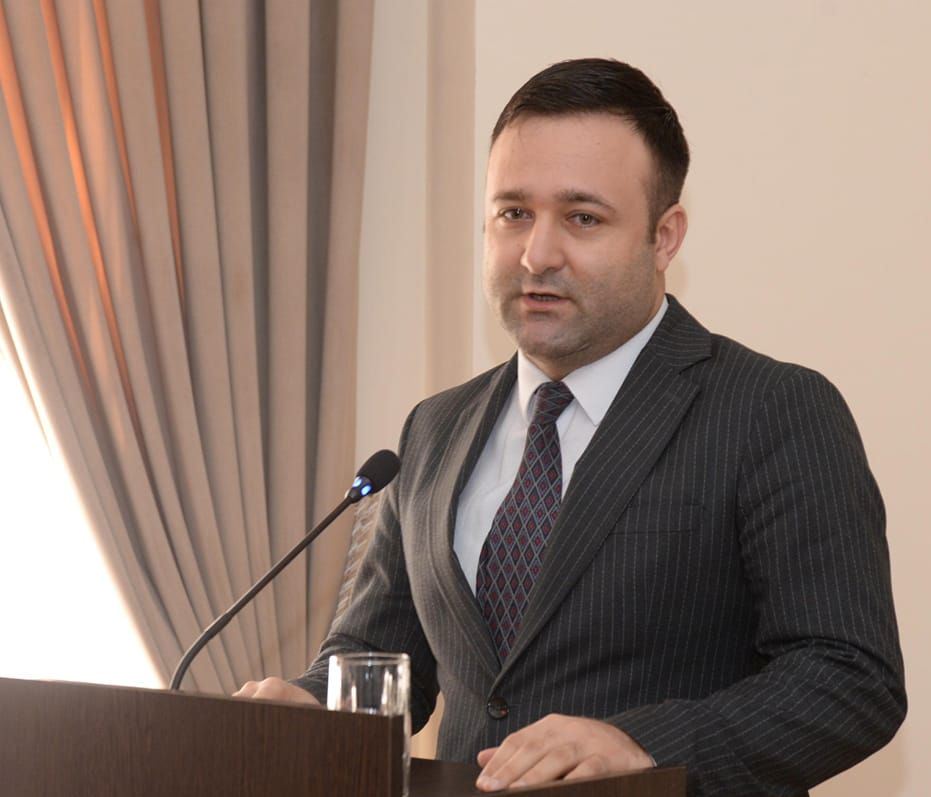
Abbas Panahov
Deputy Chairman of New Azerbaijan Party ( YAP) Nasimi district organization