

Jerusalem Post
ByWALLA! HEALTH
Choline plays an important role in brain health and cognitive function. Studies point to a connection between its intake and memory, mood and even processes of brain aging. So how do you get it?
When talking about nutrition and mental health, most people immediately think of omega 3, vitamin D or probiotics. But according to nutritionists and health experts, there is another important nutritional component that receives much less attention – even though it may affect memory, mood and even the rate of brain aging.
This component is called choline, and according to assessments by many experts published on the Real Simple website, a large part of the population does not get enough of it at all.
According to nutrition and health experts, choline is an essential substance found in every cell in the body. One of its main roles is to assist in the production of acetylcholine – a neurotransmitter that allows brain cells to communicate with each other.
Acetylcholine is involved in important processes such as memory, attention and mood regulation. When choline levels are low, the brain’s ability to transmit messages between cells may be impaired.
According to experts, despite its importance, many people are not at all aware of the existence of this nutritional component.
What does the research say?
Various studies point to a connection between choline intake and brain health.
One study that examined dietary data and brain scans found that people who consumed more choline showed better performance in visual and verbal memory tests. In addition, fewer signs of brain changes associated with aging were found in them.
Other studies also found a connection between choline levels and mental state. An analysis of dozens of studies showed that people with anxiety disorders had choline levels about 8 percent lower in the brain, especially in the prefrontal area – an area involved in controlling emotions, thought and behavior.
Similar connections were also found in the field of depression. A study that included more than 12 thousand adults in the United States found that people who consumed more choline in their diet were at lower risk of depression compared to those who consumed little of it.
However, the researchers emphasize that this is a statistical connection and not necessarily direct proof that choline alone prevents depression or anxiety.
According to estimates, up to 90 percent of the population do not reach the recommended daily intake of choline.
One of the reasons for this is that many people are simply not aware of its importance. In addition, its main food sources are foods from animals – therefore people who consume little meat or eggs may get less of it. A Western diet based on processed food and less on fresh and whole food may also contribute to deficiency.
Where can choline be found in food?
Choline is found mainly in the following foods:
Eggs (one egg contains about 150 mg of choline)
Beef
Chicken
Fish
Dairy products
Additional sources, although in smaller amounts, include:
Soybeans
Peanuts
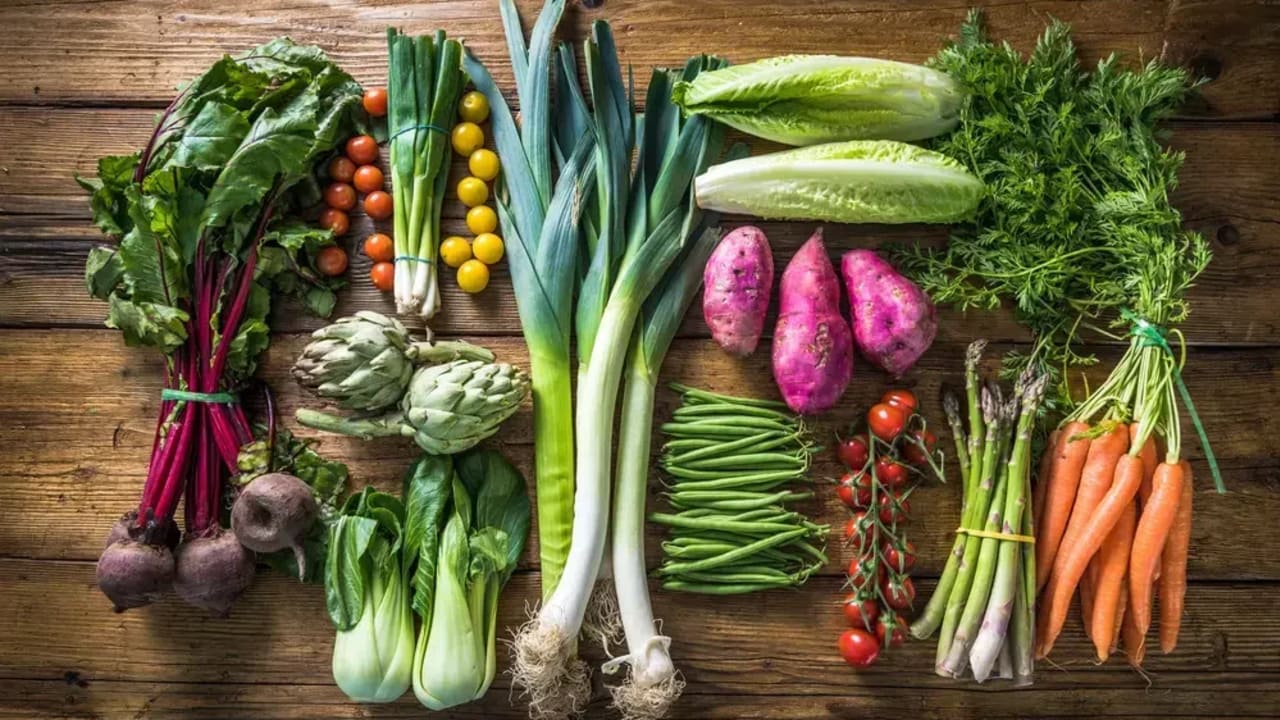
Broccoli
Cauliflower
Potatoes
According to common recommendations, most adults need about 425 to 500 milligrams of choline per day.