
Jerusalem Post
ByDR. GALINA SHENKERMAN, A SPECIALIST IN ENDOCRINOLOGY
More and more studies indicate that the approach toward high blood pressure in women must change, and fast. Here are all the reasons.
It is not always felt, mostly does not hurt, but can lead to a heart attack, stroke, and heart failure. High blood pressure is considered one of the silent health dangers in the world, and now it turns out that women may be more vulnerable to it than previously thought.
New studies from the US indicate that blood pressure in women begins to rise at an earlier age compared to men and even worsens faster over the years. Despite this, many women are not tested regularly and sometimes also do not receive treatment in time.
According to data, millions of people live with high blood pressure without knowing it. But while for years most of the research in the field focused on men, experts claim that today it is increasingly clear that blood pressure affects women differently.
Granted, blood pressure is not so typical for women at a young age: Only 13–16% of women up to the age of 35 suffer from hypertension, whereas after menopause (the change of life) the rate of hypertension among women rises up to 50% and reaches 80–85% at an age above 75, a new study by researchers from the Cedars–Sinai Academic Medical Center in Los Angeles published interesting new findings. The study found that blood vessels in women age faster.
The meaning: A 30–year–old woman with hypertension may be at a higher risk of developing cardiovascular diseases compared to a man of the same age.
Advertisement
According to the researchers, the biological and hormonal differences between women and men may explain why women are more vulnerable to certain complications related to blood pressure and sometimes also at different stages of life.
One of the most sensitive periods is pregnancy (credit: SHUTTERSTOCK)
Why do young women miss the diagnosis?
Despite the recommendation to measure blood pressure at least once a year, many young women are not tested regularly. One of the reasons for this is that many of them turn mainly to a gynecologist and not to a family doctor.
Advertisement
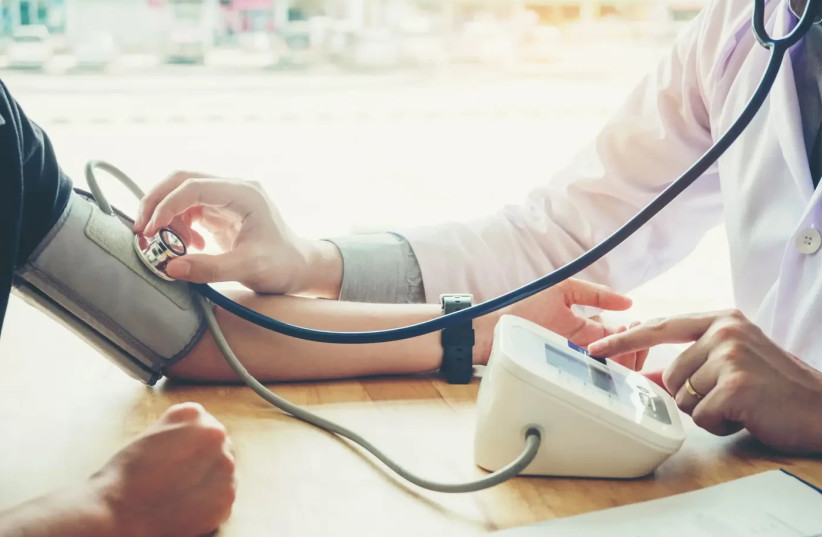
Experts emphasize that there is no need to wait for a medical checkup to monitor blood pressure: Today there are reliable and relatively accessible home devices that can assist in early identification of the problem.
The numbers that are important to know:
• Normal blood pressure: Less than 120/80
• High blood pressure: 130/80 and above regularly
If the measurements at home repeat themselves with high values, it is important to turn to a doctor.
Blood pressure in pregnancy – When to worry?
One of the most sensitive periods is pregnancy. Experts warn that sometimes even when high blood pressure is measured in pregnant women, the findings do not receive enough medical attention.
According to studies, only about 60% of pregnant women with hypertension receive appropriate treatment. However, balancing blood pressure during pregnancy is linked to a healthier and safer pregnancy, both for the mother and for the fetus.
Therefore, it is recommended for women to know their medical history, ask questions, and not hesitate to request a second opinion in case of need.
What can help lower blood pressure?
The good news is that changes in lifestyle have a significant effect on balancing blood pressure.
Among the central recommendations:
• Regular physical activity
• Reduction of salt consumption
• Weight loss in case of excess weight
• Reduction of stress
• Cutting down alcohol consumption
• A Mediterranean–style diet that includes vegetables, fruits, legumes, and nuts
It should be noted, that obesity significantly raises the risk of hypertension and women are at a higher risk of obesity compared to men.
"80 years they researched men – It is time to research women too"
The researchers emphasize that although the official medical guidelines for women have not yet been changed, more and more studies indicate that the approach to hypertension in women must change. According to them, understanding the health differences between women and men is the way to develop more personalized and precise medicine.
The bottom line, high blood pressure has long ceased to be a problem of older adults alone, and certainly not only of men. For many women, especially young ones, it is a silent danger that can develop without clear signs. Among the reasons for hypertension in young women: Use of birth control pills, polycystic ovaries, kidney diseases, pregnancy complications, hormonal problems, or blood vessel problems. My message is simple: Measure, monitor, and do not ignore, even if you feel completely healthy.
Dr. Galina Shenkerman is a specialist in endocrinology and internal medicine and a medical director at MEDBALANCE – Center for Treatment of Metabolic Diseases