
Jerusalem Post
ByDR. MAYA ROSMAN
Many people think that gluten-free products are necessarily healthier, but is this a nutritional myth?
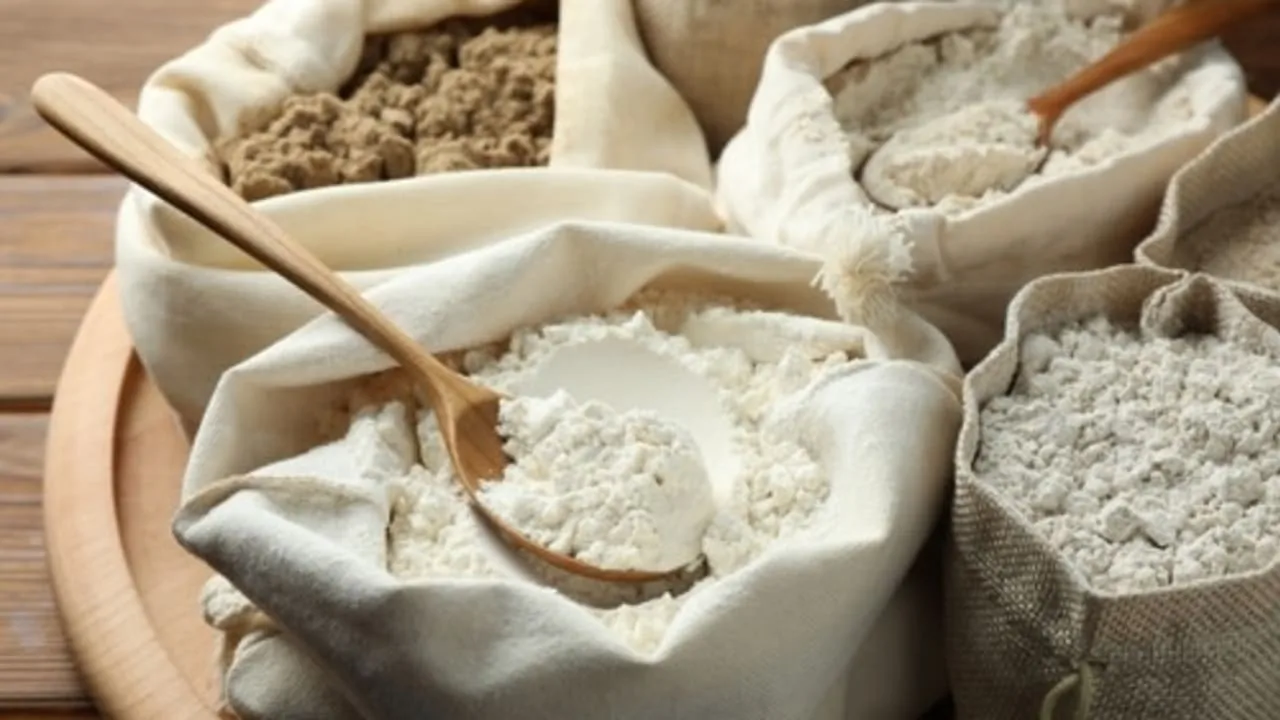
During Passover we replace regular flour with other flours, mainly potato flour, cornstarch, and matzah flour. The actual result is not fewer carbohydrates – but simply carbohydrates of a different type, and usually less nutritionally beneficial. Many Passover kosher products, especially cookies, cakes, and snacks, are based on very starchy flours, with relatively low nutritional value.
Potato flour: Almost pure starch with hardly any nutritional values
Potato flour is one of the main ingredients in Passover products. It is made almost entirely of starch, meaning a relatively simple carbohydrate that is quickly absorbed into the blood.
Unlike a whole potato, which also contains fiber, vitamins, and minerals, potato flour is a processed product from which most of the nutritional components have been removed.
The result is a food that raises blood sugar levels quickly, and may cause a sharp rise followed by a drop – which leads to renewed hunger within a short time.
Cornstarch (white corn flour)
Cornstarch, which is found in many Passover cookies and baked goods, is also essentially almost pure starch.
Although it comes from corn, it contains almost no fiber, protein, or vitamins. Nutritionally, its effect is very similar to potato flour: Rapid absorption, a sharp rise in blood sugar, and a relatively low feeling of satiety.
Passover cookies
Passover cookies are a classic example of combining starchy flours with sugar and fat. This combination creates a very tasty texture – but also one that encourages eating beyond need. Since these products contain almost no fiber or protein, they do not keep you full for long. The sugar rises quickly – and then drops, which causes cravings for more.
Coconut cookies are considered by many to be a “better choice”, because coconut is preferable to white flours. Indeed, coconut contains dietary fiber and fat, and therefore is more filling than potato flour or cornstarch, and does not cause a sharp and rapid rise in blood sugar like starchy flours.
However, it is important to remember that coconut cookies usually also contain a significant amount of sugar and sometimes additional fat. That is, despite the relative advantage of the coconut itself, it is still a sweet and caloric product that should not be eaten without limitation.
How many calories are we talking about? If prepared at home, it of course depends on the specific recipe. The classic store-bought cookies that we have known for years, coconut cookies or peanut cookies, are relatively large and the calorie count in them may reach 170 calories per one cookie.
Is there an advantage to gluten-free products?
It is true that matzah flour is wheat flour in every respect, but still, Passover is considered a “gluten-free” holiday. Many think this is healthier, but the truth is the opposite. Most gluten-free products contain more processed ingredients, less protein, and less fiber.
Here are some examples:
Gluten-free bread – usually made from refined flours and includes additives of preservatives, sugars, and fats to compensate for the lack of gluten.
Gluten-free wafers, cookies, and baked goods – contain added sugars and fats, and sometimes even more calories than their regular counterparts.
Gluten-free pasta – some are made from corn or rice flour, which have lower nutritional value and provide less satiety.
I am in favor of reducing the consumption of so many baked goods and carbohydrates from white flour, but it turns out that for people without celiac disease, switching to a gluten-free diet may דווקא be harmful.
A study published in the American Journal of Clinical Nutrition found that avoiding gluten without a medical need may lead to nutritional deficiencies, especially in dietary fiber, vitamins, and minerals. In addition, studies have shown that people who do not consume gluten for non-medical reasons may be at increased risk of cardiovascular diseases due to a lack of whole grains, which are an important source of essential nutrients.